01Portable digital shortlist
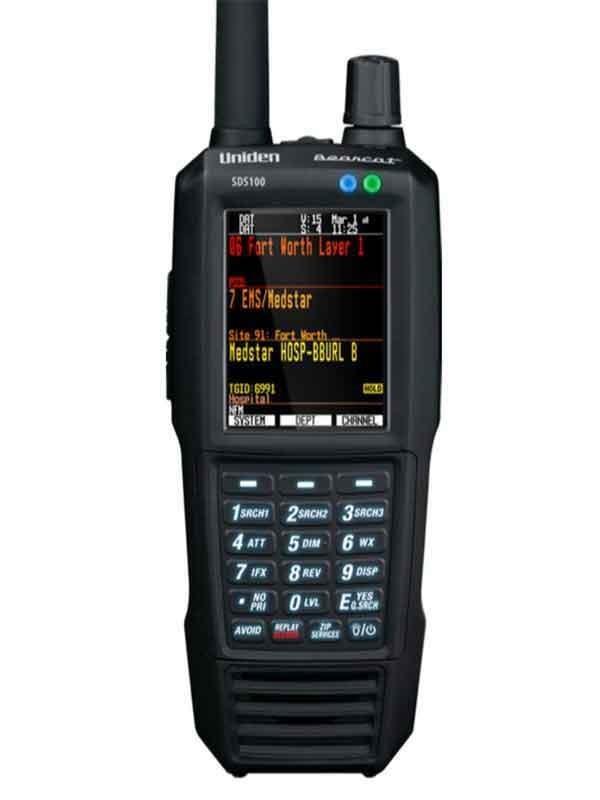

Uniden SDS100
Listeners who need a portable P25 scanner and want to evaluate the SDS receiver design for local simulcast
Why consider it →THE INDEPENDENT SCANNER BUYING GUIDE
The best police scanners for your setup.
Every format. Every important trade-off.
One complete guide to choosing well.


START WITH THE SHORTLIST
Different systems need different receivers.
Use these picks to start your comparison.
Listeners who need a portable P25 scanner and want to evaluate the SDS receiver design for local simulcast
Why consider it →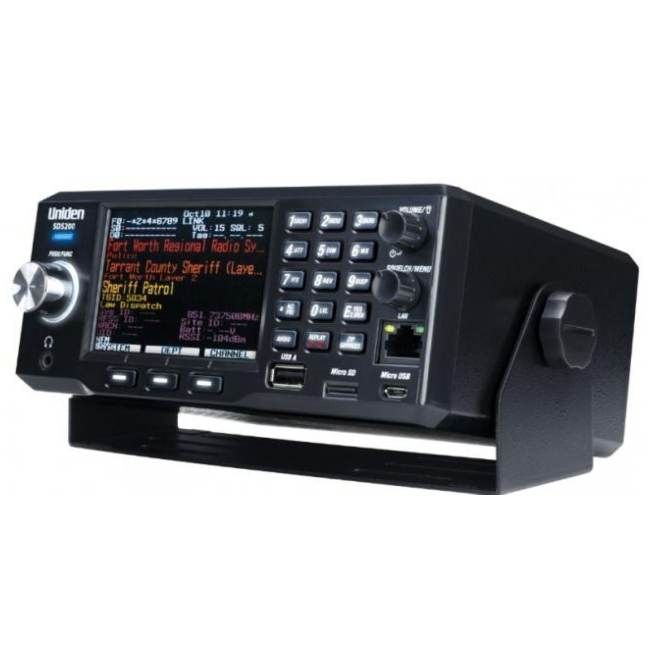
A fixed listening station or an installed mobile setup
Why consider it →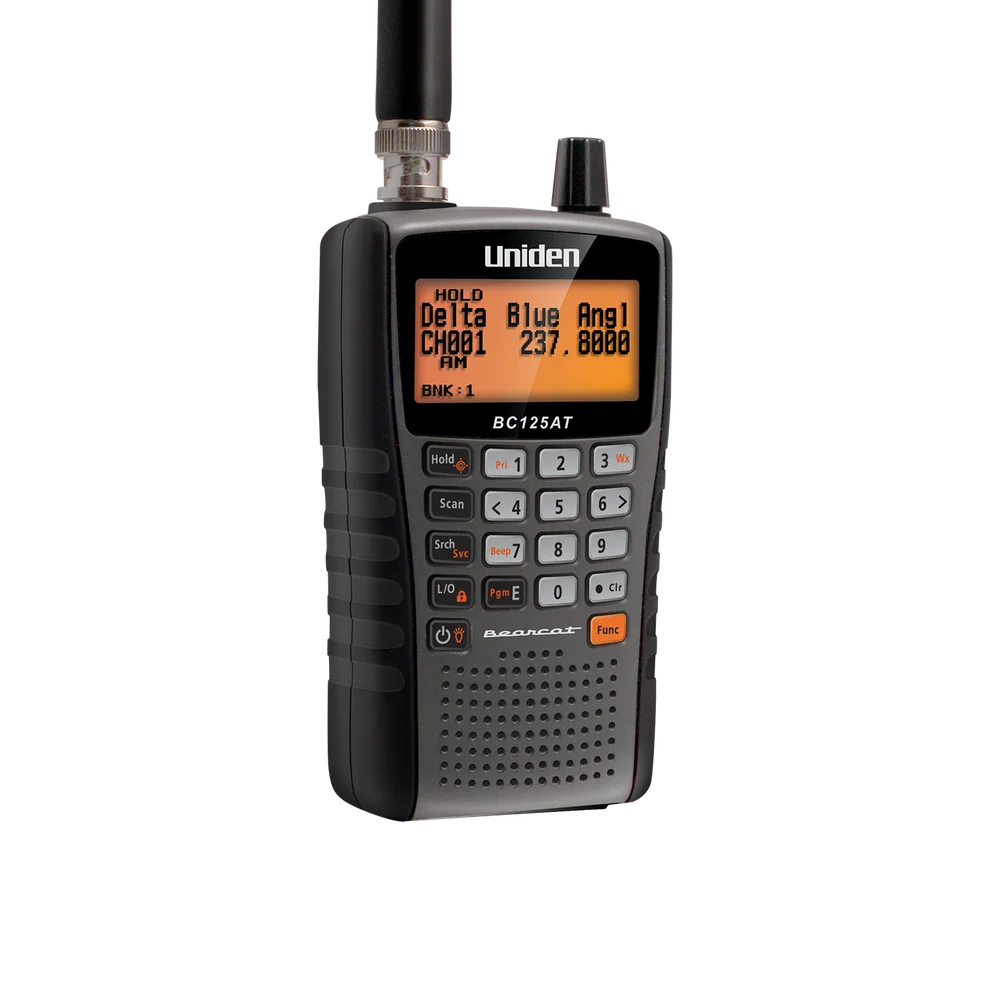
Conventional analog listening where readable channel names matter
Why consider it →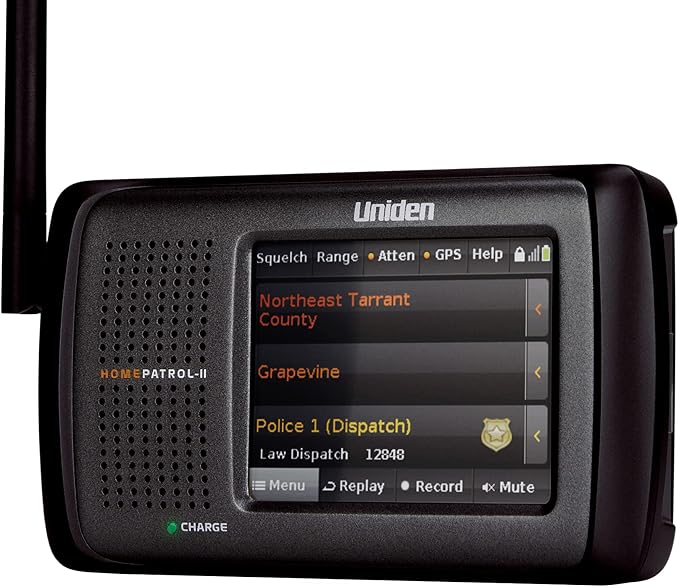
Buyers who prefer a tabletop touchscreen and location-based channel selection
Why consider it →Start with the systems you want to hear, then choose the features and format that fit. How we choose our picks.
BEFORE YOU BUY
A scanner is only as useful as its match to your local radio system. Start here, especially if this is your first one.
THE COMPLETE GUIDE
Portable & handheld · 11 OPTIONS
A handheld scanner makes sense when listening moves with you: a desk today, an airshow tomorrow, or a seat by the window. Start with the radio system you need to receive, then weigh batteries, controls and programming. Portability alone tells you very little about what a scanner can hear.
| Model | Best suited to | Main consideration |
|---|---|---|
| Uniden SDS100 | Listeners who need a portable P25 scanner and want to evaluate the SDS receiver design for local simulcast | External GPS adds hardware and cabling |
| Uniden SDS150 | Travelling listeners who value an integrated location-aware handheld | DMR, NXDN and ProVoice are paid options |
| Uniden BCD436HP | Listeners who want portable P25 trunking and a database-oriented workflow | No integrated GPS receiver |
| Uniden BCD325P2 | Listeners comfortable selecting and programming specific systems | Requires more deliberate system programming than a database model |
| Uniden BCD160DN | Listeners whose required digital channels can be monitored conventionally | No trunk tracking, including after the P25 update |
| Uniden BC125AT | Conventional analog listening where readable channel names matter | Cannot receive digital voice |
| Uniden SR30C | A buyer with a known analog listening list who wants a compact handheld | No digital voice decoding |
| Uniden BC75XLT | Buyers checking a specific available unit for a simple conventional analog task | Manufacturer availability needs rechecking |
| Whistler WS1040 | Listeners with confirmed P25 Phase I or supported analog trunked systems | Does not provide P25 Phase II decoding |
| Whistler TRX-1 | Listeners who want a Whistler handheld covering supported P25, DMR and NXDN traffic | System-specific behaviour still needs verification |
| Whistler WS1010 | A portable analog listening list with weather monitoring as an additional use | No digital voice or trunk tracking |
For an analog-only shortlist, compare the simpler receivers before paying for digital features. For digital systems, choose the required protocol and trunk-tracking support first. For a documented simulcast requirement, investigate the relevant receiver architecture and local evidence.
Portable scanning for demanding digital systems
The SDS100 is a sensible starting point when your shopping problem is portable digital monitoring, especially if local simulcast is part of the decision. Its significance is the receiver design and supported systems, rather than a huge channel-count claim. We would shortlist it for someone who has already checked the systems they want to hear and expects to use the radio away from a desk. It is excessive for many analog-only tasks. Reception depends on your local system, antenna position and installation, so check those alongside the SDS100’s system support.
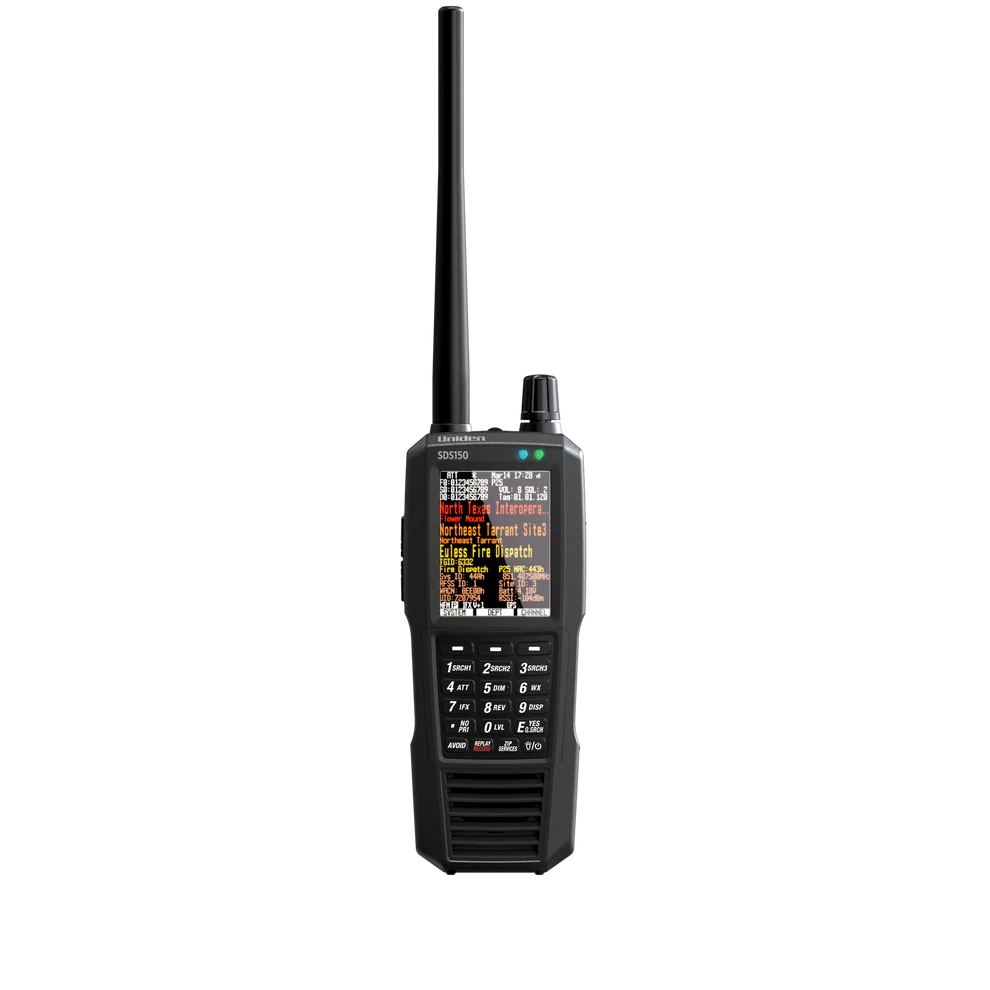
Integrated GPS and USB-C for a travelling setup
The SDS150 is the integrated-travel choice in this catalogue. Built-in GPS, USB-C charging and the supplied cradle address the practical equipment that otherwise surrounds a handheld scanner. Those are meaningful differences for a listener who frequently changes location; they are less valuable if the radio will stay in the same room. We would compare the whole setup with an SDS100 plus the accessories you actually need, rather than choosing by model age alone. Its capability claims come from Uniden’s specifications and manual, while our recommendation concerns how those features fit a buyer’s routine.
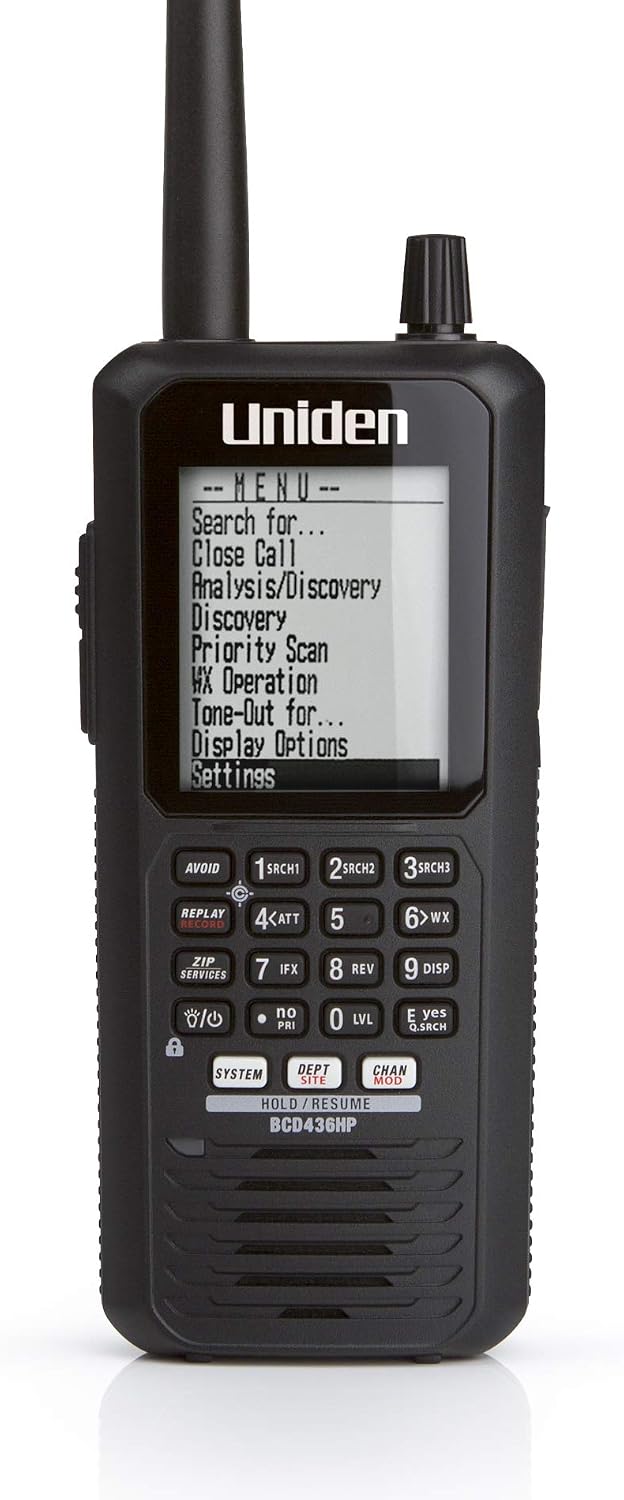
Database-based digital scanning in a handheld format
The BCD436HP is the database-oriented handheld to compare when you want P25 trunking and do not want to enter an entire regional frequency list by hand. Its role sits between a basic conventional receiver and the SDS models with their different receiver design. That makes it a candidate for a well-understood local system rather than an automatic substitute for an SDS100. We would choose it on confirmed compatibility, interface preference and the complete purchase package. Channel quantity and the word digital are too broad to establish whether it will do the particular listening job you have in mind.
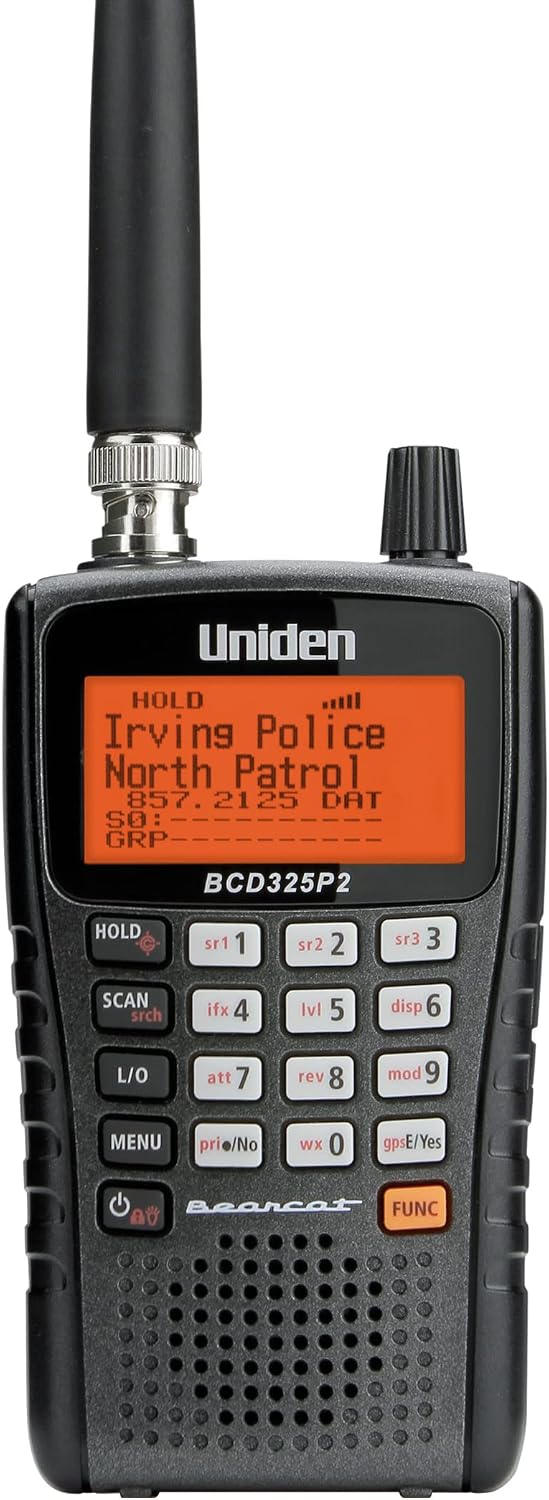
Portable P25 trunking with a manually organised listening list
The BCD325P2 is a good candidate for someone who already knows which systems belong in a listening list and wants to organise them deliberately. It provides P25 Phase I/II trunking in a handheld without making a nationwide database the centre of the experience. That can be an advantage for a focused hobbyist and an obstacle for a first-time buyer expecting ZIP-code setup. We would choose it for a defined local requirement and a willingness to learn its memory structure. The lower-complexity option for one person can be the more time-consuming option for another.
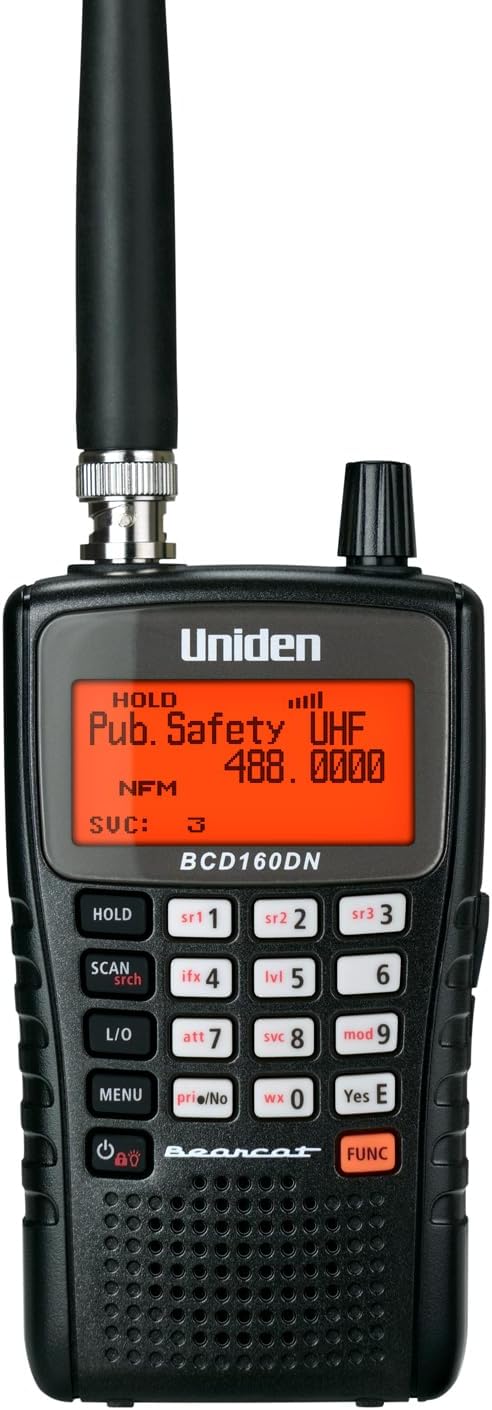
Conventional digital channels without trunk tracking
The BCD160DN deserves careful reading because the word digital can hide its most important boundary. It is a conventional-channel receiver, not a trunk-tracking scanner. Uniden’s October 2026 firmware adds P25 Phase I/II audio decoding, but the release notes explicitly say it does not add trunk tracking. That makes the radio potentially useful for a defined set of conventional digital channels and a poor choice for someone shopping by the P25 label alone. We would recommend it only after confirming how the target communications are organised, with the installed firmware checked before evaluating what it receives.
A focused analog handheld for air, rail and local channels
The BC125AT is a strong analog shortlist candidate when the purpose is clearly defined: aviation, rail or other compatible conventional channels. The ability to name stored channels matters more in everyday use than a headline about thousands of possible frequencies. We would choose it for a manageable listening list that benefits from those labels and a portable format. It is not a low-cost way into a digital police network. Before selecting it, check both the frequency range and how the target service operates; a nearby agency name on a service-search button does not establish compatibility.
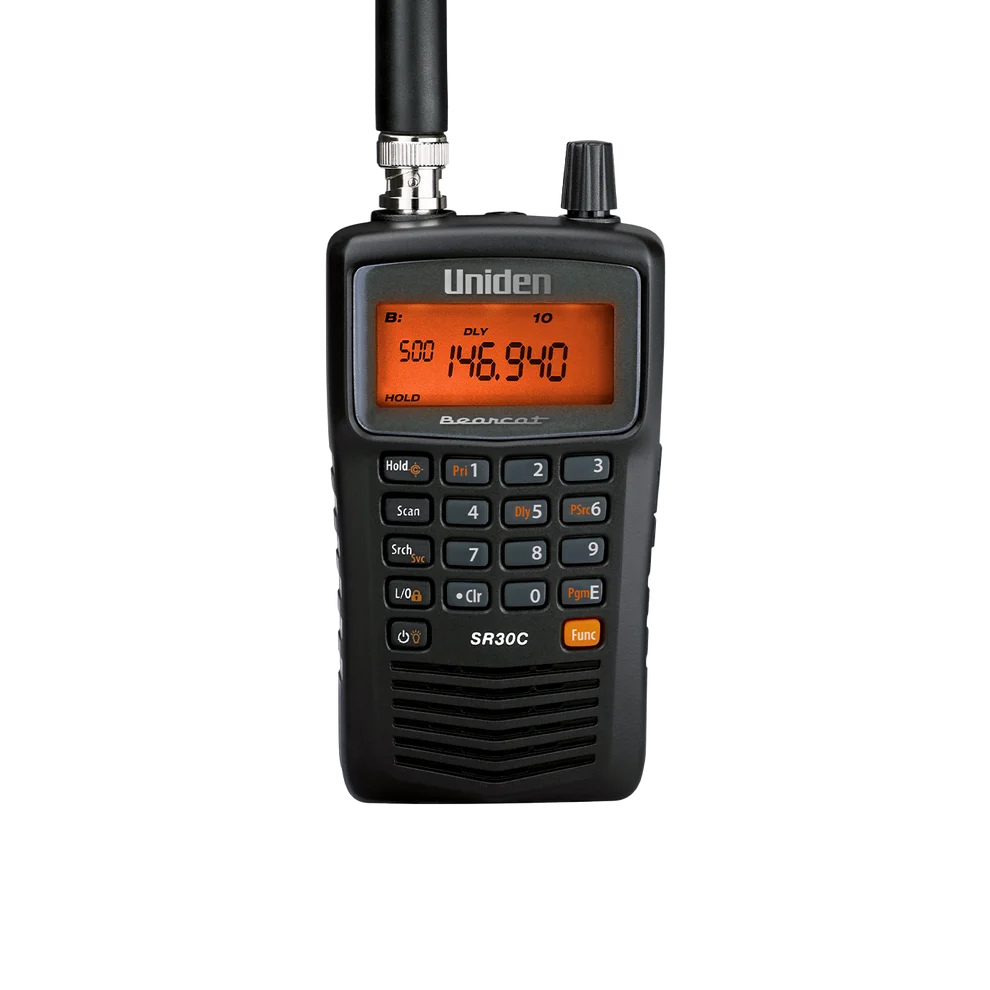
Straightforward conventional analog scanning on the move
The SR30C is an analog handheld for someone who has a modest, confirmed listening list and values a compact radio over an extensive digital feature set. Its role is compatible conventional monitoring, not a general solution to whatever an agency happens to transmit locally. We would compare it with the BC125AT on interface and channel organisation before choosing. The important saving is avoiding capability you do not need; buying an analog receiver for a digital requirement is not a saving. Check the channel organisation, power arrangements and supported frequencies against your intended listening routine.
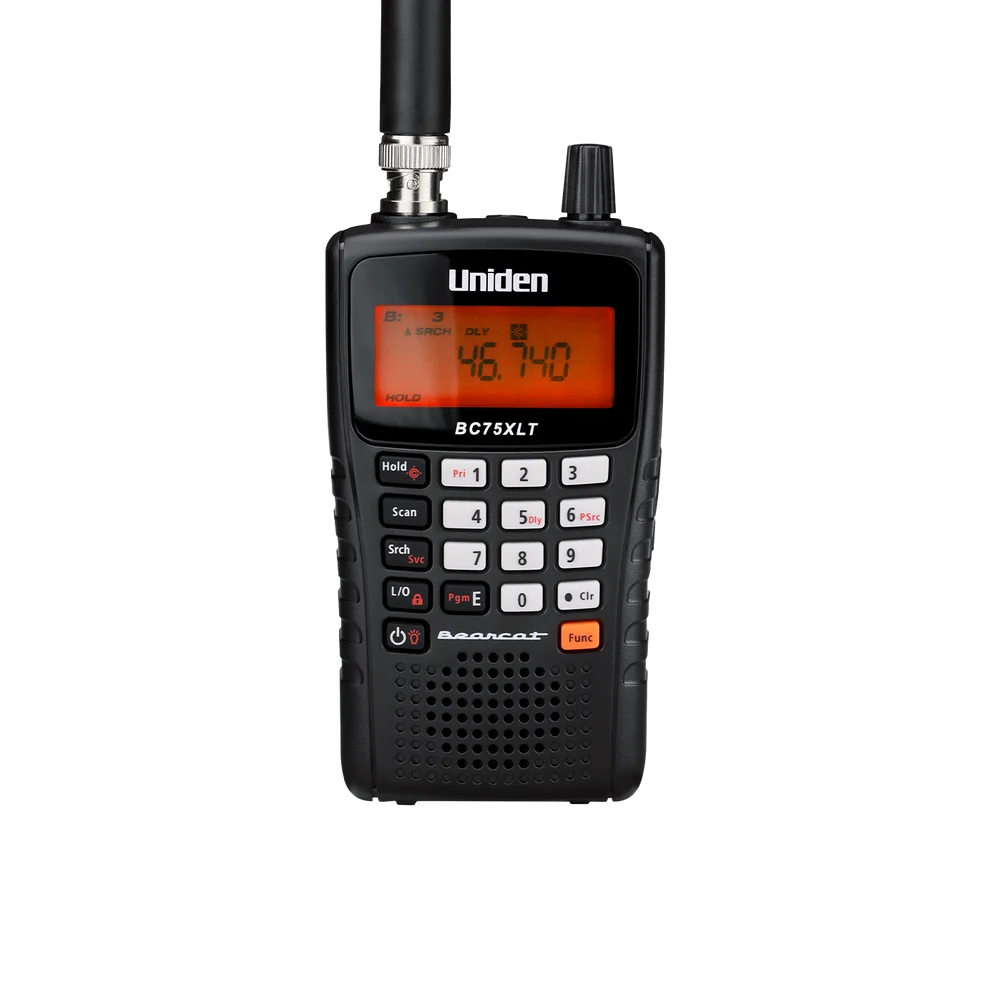
A compact analog model to evaluate against current alternatives
Availability needs checking · Catalogue coverage
The BC75XLT belongs in a comprehensive catalogue because it appears in many scanner searches and may still be offered by individual sellers. It should be evaluated as a specific available purchase, not automatically treated as the best current entry-level choice. Its task is conventional analog listening, with a compact format and bank-based storage. We would compare the actual seller, condition, included equipment and return terms with current alternatives before deciding. The manufacturer catalogue flagged availability during our research, so this review deliberately makes no promise that a new unit can be bought today.
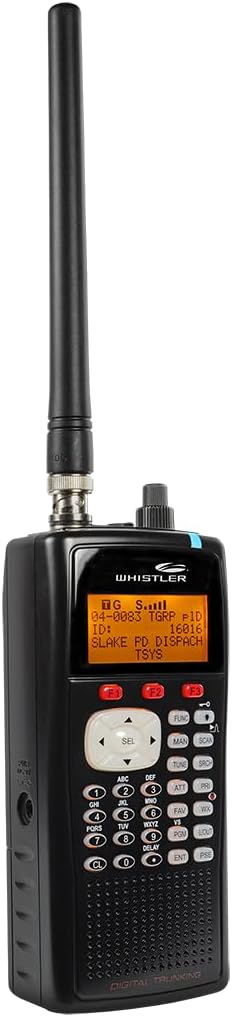
A deliberately programmed Phase I digital handheld
The WS1040 is a specific Phase I-era buying choice, not a generic substitute for any digital scanner. It can be useful when your intended systems are confirmed compatible and you are comfortable organising objects and scan lists. The key exclusion is P25 Phase II, which a buyer should check before considering the equipment’s other features. We would shortlist it for a known local requirement or an existing owner’s familiar workflow. A low purchase price does not compensate for an unsupported voice format, and the word digital on a retailer page is not detailed enough to settle that question.
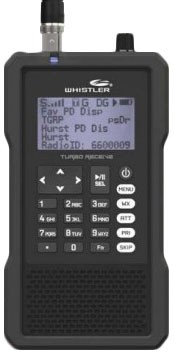
A portable digital scanner with EZ Scan and broad format coverage
The TRX-1 is the Whistler handheld to compare when you need a broader supported digital-format set than the WS1040 offers. Its database and EZ Scan workflow also represent a different ownership approach. We would shortlist it for a known set of unencrypted systems, then examine exactly how those systems are handled rather than assuming every format label means identical trunk-tracking behaviour. Its documentation supports a substantial feature list; it does not provide a reception guarantee for your local simulcast environment. The purchase decision should include setup preferences, software access and the radio’s intended locations.
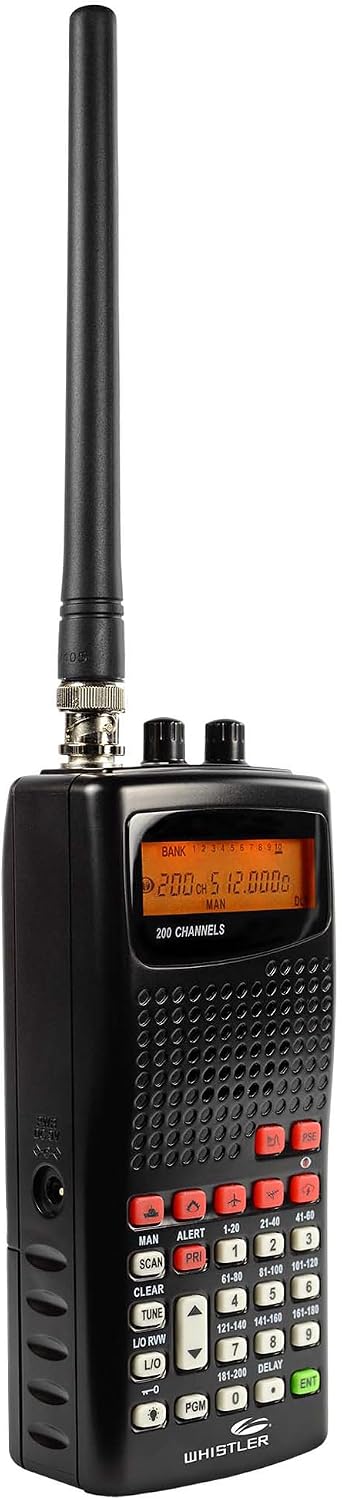
Conventional analog scanning with a bank-based workflow
The WS1010 is a conventional analog handheld for a known, manageable listening list. The current manufacturer page and owner manual specify 400 channels, which is worth checking against older or inconsistent retailer descriptions. More important than that count is the fundamental limitation: it is not a digital or trunk-tracking scanner. We would compare it with the SR30C and BC125AT on the intended channels, organisation and power routine. The right entry-level radio is the one that matches a verified task, not whichever model has the broadest claim about emergency communications on its packaging.
Desktop & base · 11 OPTIONS
A dedicated listening position gives you room for a larger display, permanent power and a carefully positioned antenna. Desktop scanners range from straightforward conventional receivers to database-driven digital models. An expensive base station cannot overcome an incompatible or encrypted system.
| Model | Best suited to | Main consideration |
|---|---|---|
| Uniden SDS200 | A fixed listening station or an installed mobile setup | Requires an external power arrangement |
| Uniden HomePatrol-2 | Buyers who prefer a tabletop touchscreen and location-based channel selection | Tabletop shape differs from a conventional handheld |
| Uniden BCD536HP | A desk or vehicle installation where database programming matters | Wi-Fi features require their own setup and compatibility checks |
| Uniden BCD996P2 | An owner who wants a deliberately programmed installed receiver | Nationwide-database setup is not its central workflow |
| Uniden BCD260DN | A desktop or mobile station monitoring known conventional digital channels | P25 decoding does not add trunk tracking |
| Uniden BCT15X | An analog listening station with supported conventional or trunked systems | No digital voice decoding |
| Uniden BC355N | A small desk or vehicle setup for known conventional analog channels | No digital voice or trunk tracking |
| Uniden BC365CRS | A fixed home listening spot where an integrated clock/FM radio is useful | No digital or trunk-tracking capability |
| Whistler WS1065 | A base or vehicle installation monitoring confirmed supported Phase I systems | No P25 Phase II decoding |
| Whistler TRX-2 | An installed setup where separating the display from the receiver is useful | Remote-head cabling must be planned |
| Whistler WS1025 | A fixed analog listening spot where S.A.M.E. weather functions are useful | Manufacturer availability needs checking |
Choose a conventional desktop for a known analog listening list. Consider a database-equipped digital base when you need a broader system library. An external antenna may change your setup more than moving sideways between two similar receivers.
A dedicated base or vehicle receiver for digital monitoring
The SDS200 is our installation-first SDS choice. Consider it when a radio will stay at a desk or in a properly planned vehicle setup and portability would add little. Its larger display, external power and Ethernet connection suit a listening station that you can organise around the receiver. The buying question is not whether a bigger scanner hears further: antenna placement, the local system and the receiver’s capabilities remain separate issues. We recommend comparing it with the handheld SDS100 on how you will use it, then checking whether the digital-system features are justified for your area.
Touchscreen-led listening with database setup
The HomePatrol-2 makes the most sense for someone who wants to choose services on a touchscreen and listen from a table, rather than build a radio hobby around a dense keypad. It is transportable, but its shape and interface are a different proposition from a handheld you keep on a belt. The database-led approach can reduce the initial data-entry burden. It cannot establish whether your favourite agency uses a compatible, unencrypted system. We would shortlist it for interface preference after that compatibility question has been answered, rather than promising that a ZIP code alone makes every service audible.
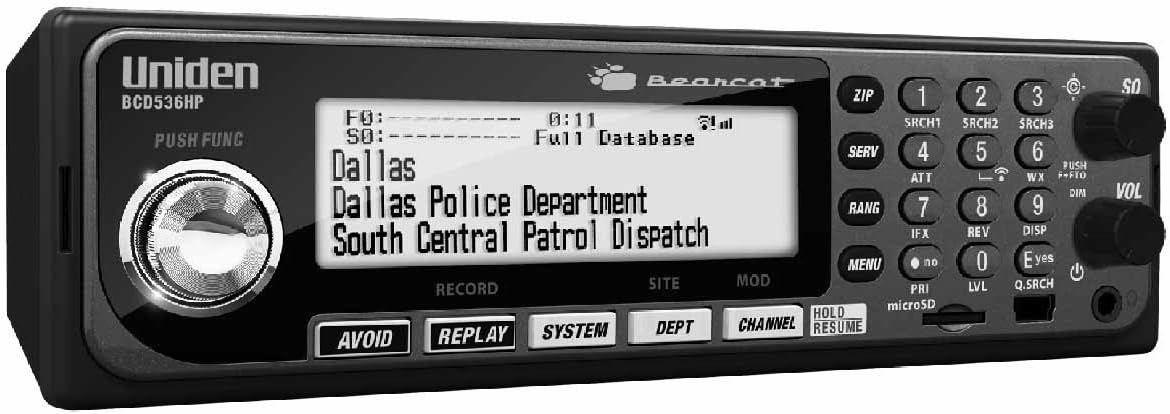
Database-led P25 monitoring for a listening station
The BCD536HP is worth comparing when the requirement is a stationary digital scanner with location-based database programming. It takes the same general buying idea as the BCD436HP into a base/mobile format, so the first question is installation rather than raw model prestige. We would shortlist it for a known compatible system and an owner who values organising Favorites Lists from a computer. The SDS200 deserves a separate look when local simulcast is the main challenge. This review does not claim that either radio has been reception-tested by us at your address.
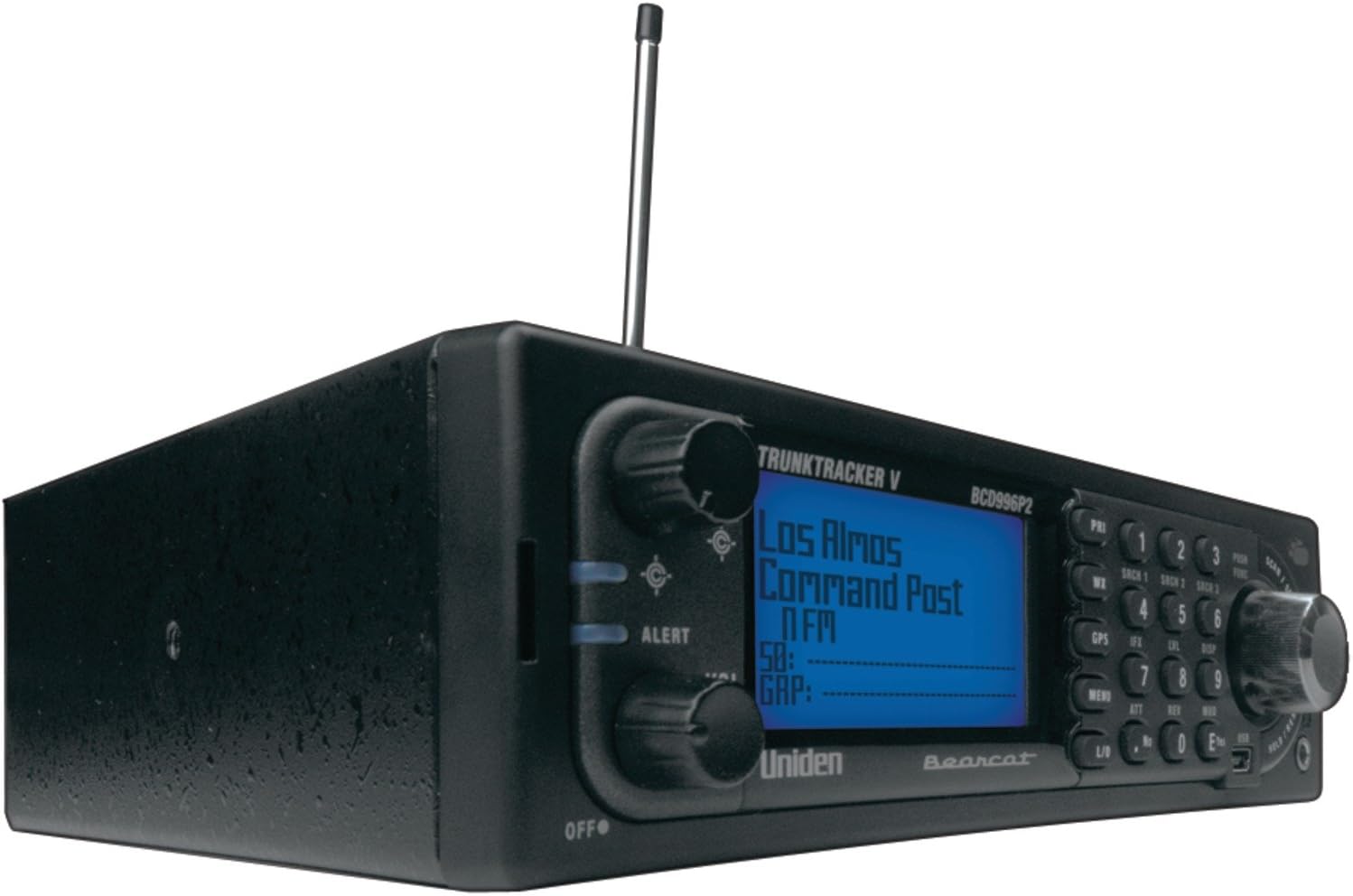
Focused P25 trunking for a base or vehicle installation
The BCD996P2 suits an installed listening station whose owner is comfortable choosing and programming the systems to monitor. Its appeal is a focused configuration and base/mobile format, rather than an all-purpose promise of automatic local reception. It is the natural comparison for someone considering a BCD325P2 but expecting the radio to remain in one place. We would begin by listing the required systems, then price the receiver with any genuinely necessary software options and installation equipment. A large channel capacity is useful only after the underlying compatibility question has been answered.
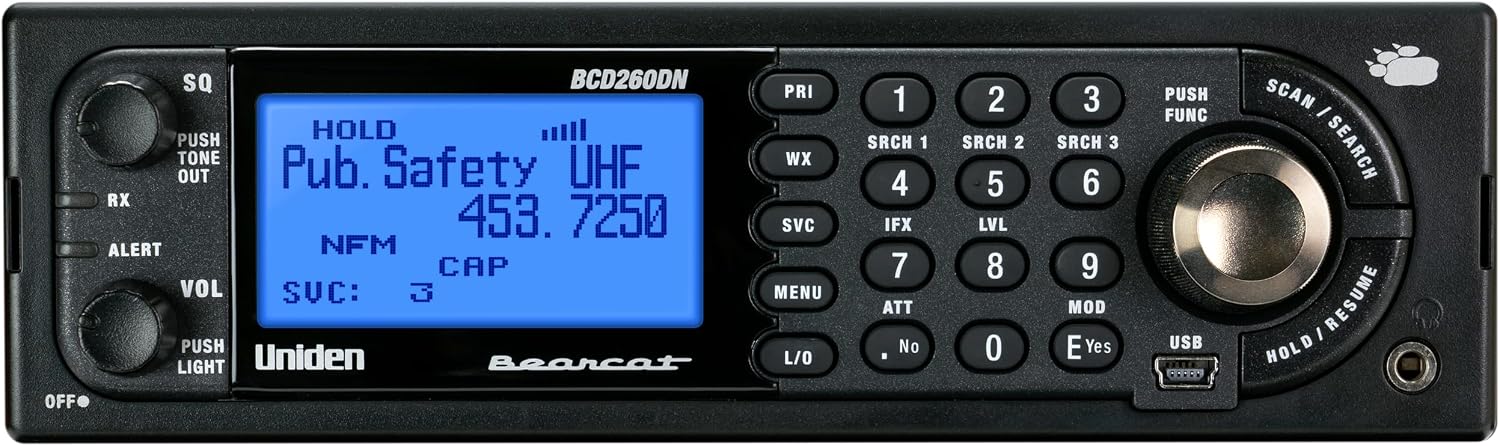
Conventional digital reception for a fixed listening station
The BCD260DN is the installed-format choice for a specific conventional-digital listening list. Its updated P25 audio capability makes older descriptions incomplete, but it remains essential not to confuse that update with trunk tracking. We would consider it for a desk or vehicle station where the target frequencies and formats are already known. If the primary goal is following a trunked police network, start with a suitable trunk-tracking model instead. Its value is strongest when the narrower capability is a good match, rather than when it is being asked to imitate a more expensive category of receiver.
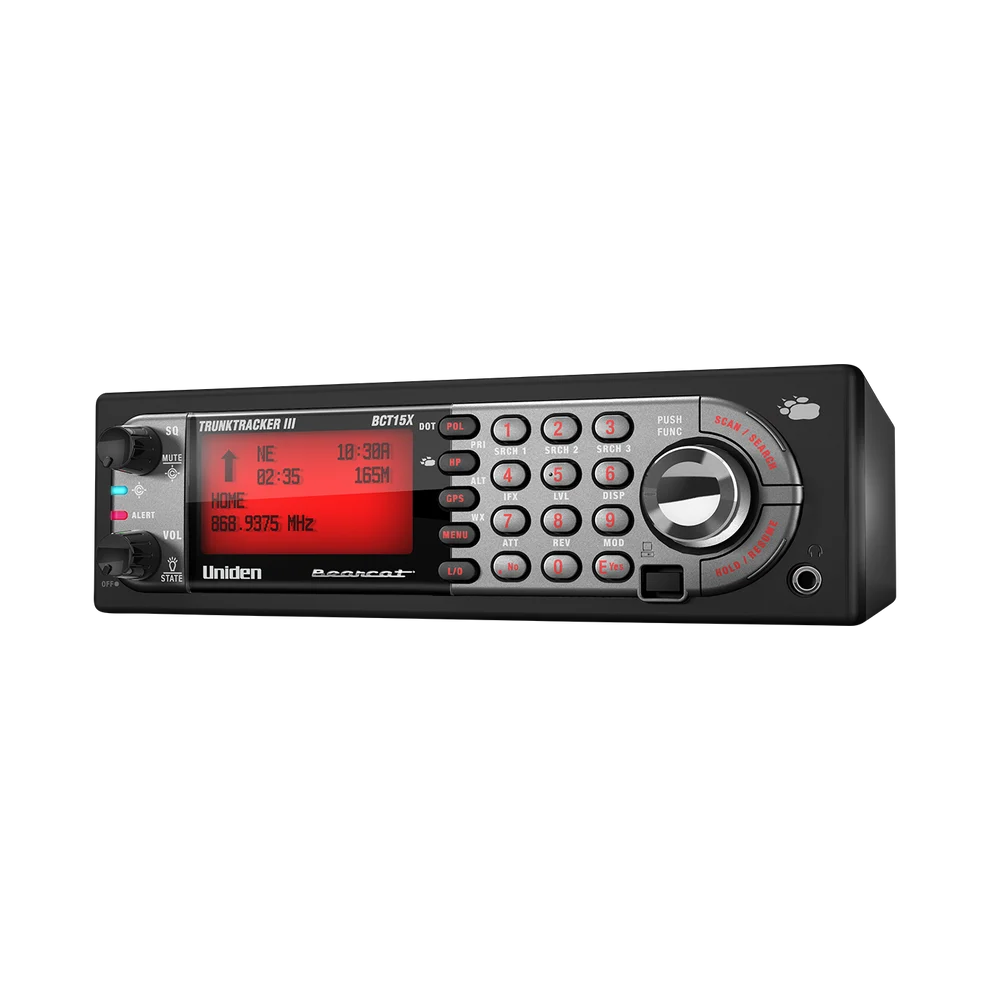
Analog trunking and conventional listening at a desk
The BCT15X is a reminder that analog does not necessarily mean a basic conventional scanner. It can follow selected analog trunked systems and offers the organisation expected of a more involved listening station. Its clear limitation is digital voice: it is not the answer to a local service that has moved to P25, DMR or NXDN. We would shortlist it for a confirmed analog requirement, especially when the owner wants to maintain a carefully structured list. Avoid buying it merely because it resembles an installed digital scanner or carries the TrunkTracker name.
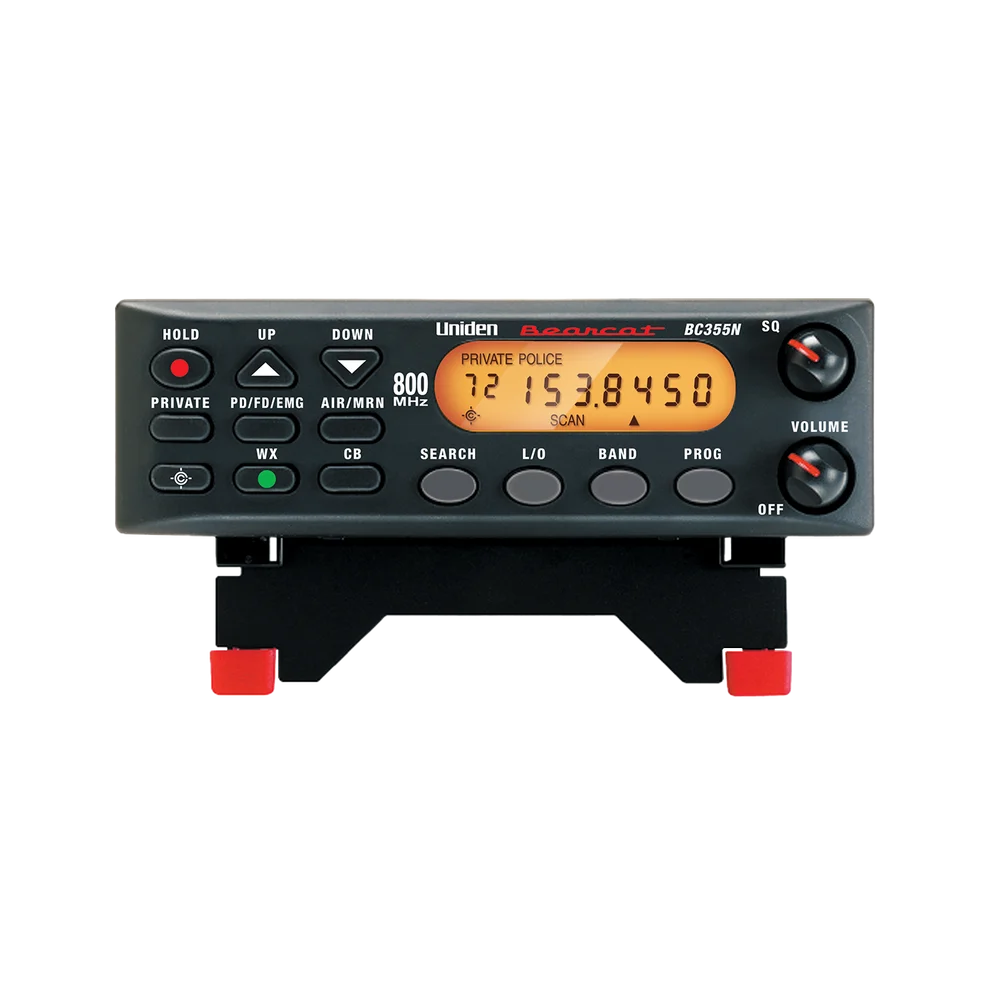
Compact analog monitoring for a fixed location
The BC355N makes sense as a compact installed analog receiver with a deliberately limited job. It can be more appropriate than a feature-heavy digital scanner if the desired listening list consists of compatible conventional frequencies and the radio will remain in one place. Its small footprint is the reason to consider it, rather than a promise to hear every local agency. We would be cautious about choosing it before inspecting the controls: a simple-looking front panel is useful only if its programming approach suits the way you want to organise and select channels.
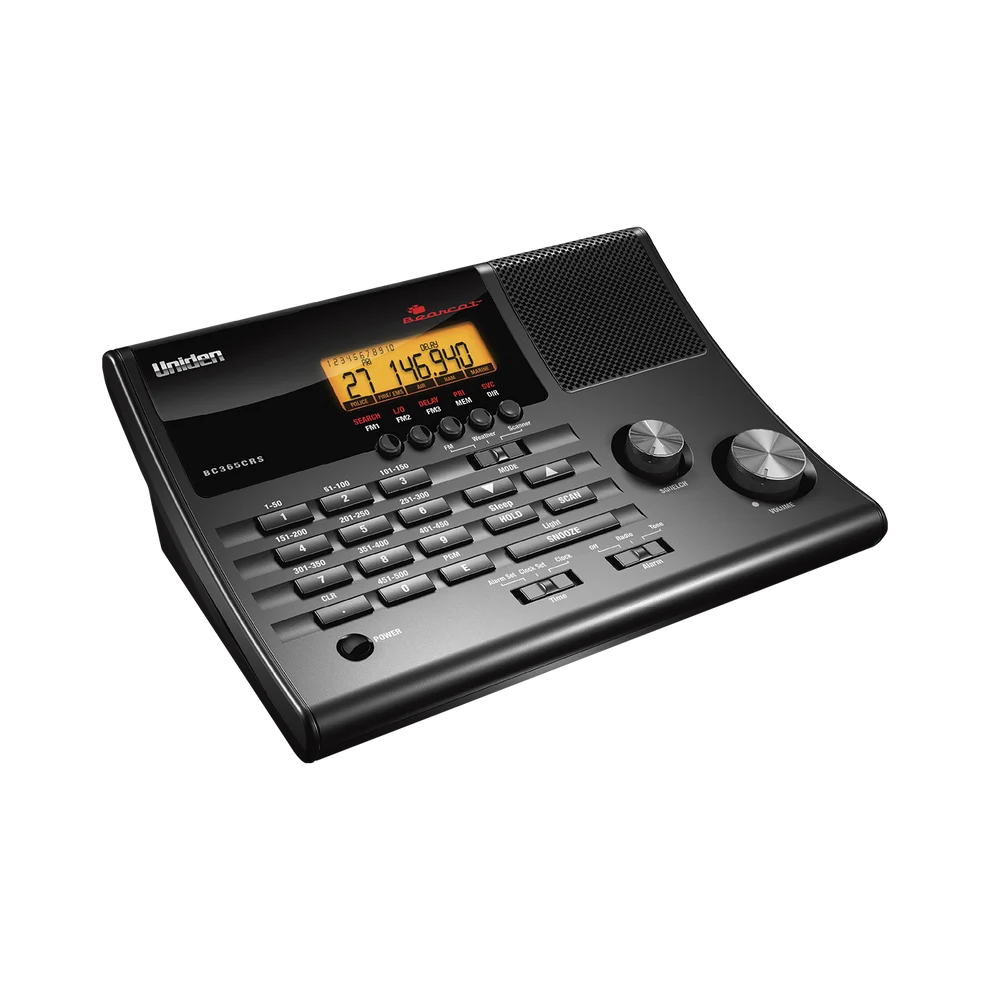
A desk-friendly analog scanner with clock and FM functions
The BC365CRS is an interface-and-location choice: a conventional analog scanner shaped for a desk or bedside table, with FM and clock functions that can make it useful beyond scanning. We would shortlist it when those everyday conveniences match the intended location and the target channels are confirmed compatible. It should not be mistaken for a modern digital public-safety receiver simply because the product description includes police or fire. The strongest buying case is a specific home listening routine, with a clear understanding of which services remain analog and conventional in that area.
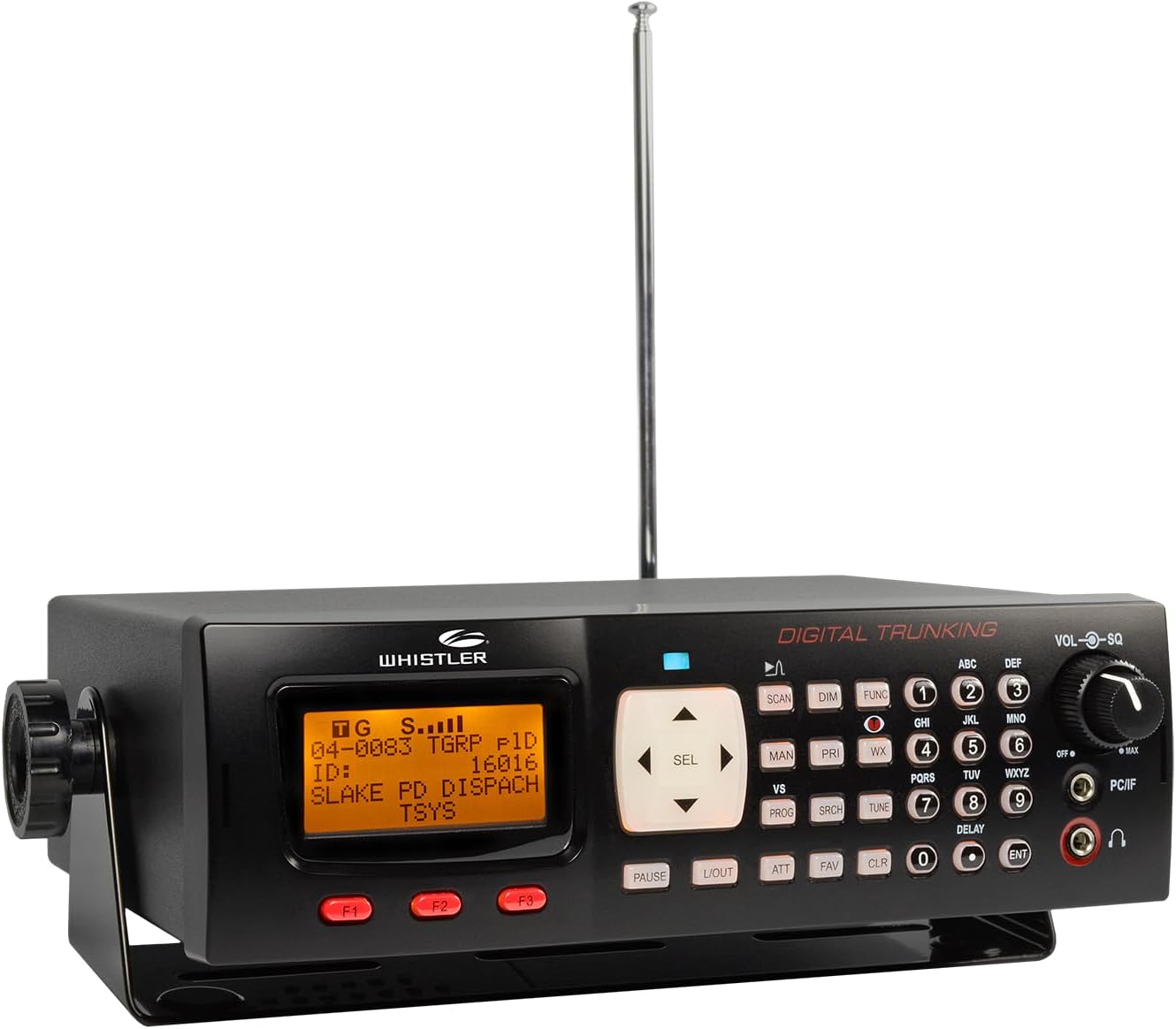
Phase I digital monitoring for a planned fixed setup
The WS1065 is a fixed-installation candidate for someone with confirmed P25 Phase I or supported analog trunking requirements. It should be judged against that defined task, rather than against an expectation that every digital scanner supports the latest local network. The relationship to the WS1040 is useful: choose the handheld for carrying, the WS1065 for a planned installation. We would compare the complete antenna, power and programming setup before choosing either. Its value depends on compatibility and the owner’s comfort with its organisational approach, not on a broad promise to monitor all nearby emergency communications.
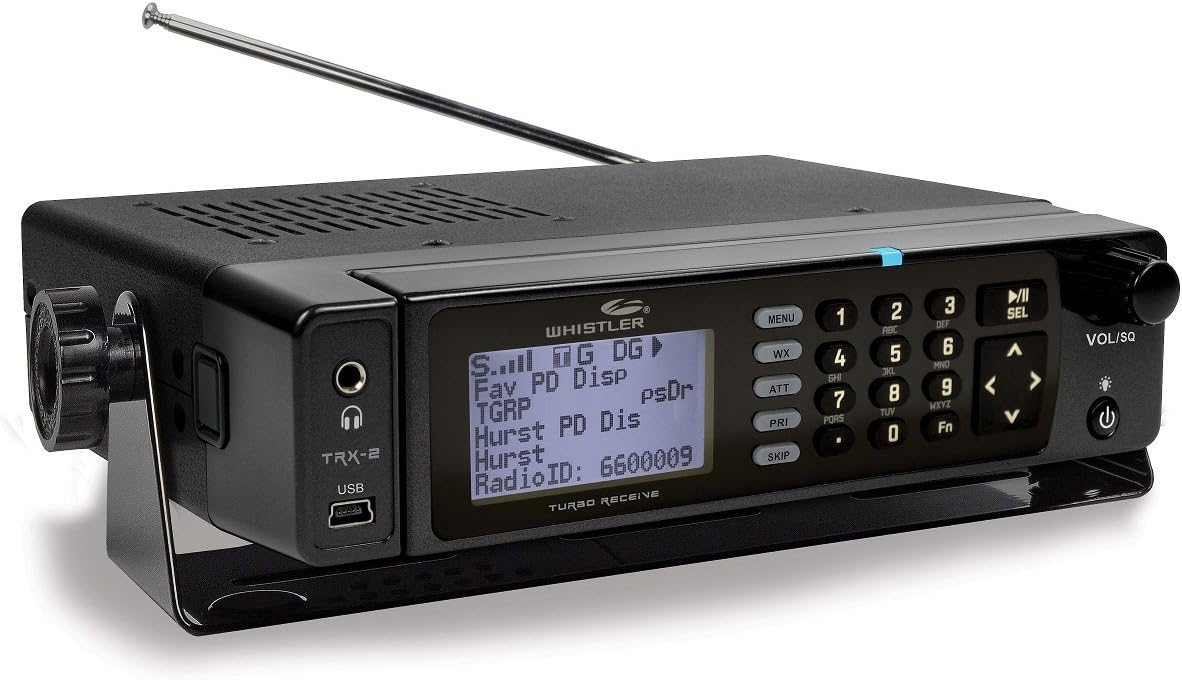
A digital base/mobile scanner with a detachable control head
The TRX-2’s most distinctive buying argument is its detachable control head. That can matter when the convenient place for the display is not the convenient place for the receiver and its cables. Add its documented P25 Phase I/II, DMR and NXDN support, and it becomes a substantial installed-format candidate. We would still confirm the exact target systems and their expected monitoring behaviour before buying. Its broad format list does not make it a universal receiver, and our review does not claim that the hardware has been measured against competing models in the same signal environment.
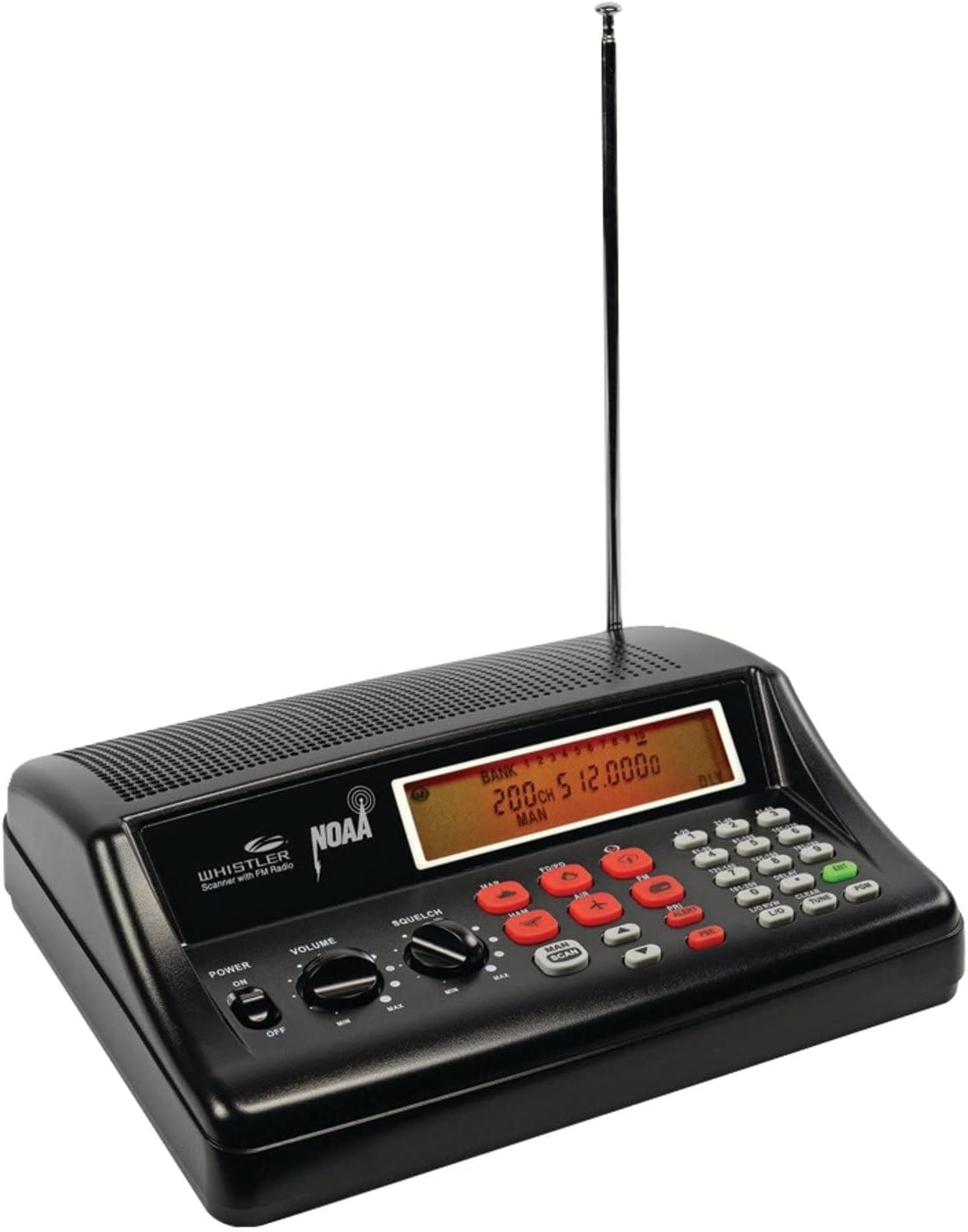
Conventional analog listening with county-selective weather features
Availability needs checking · Catalogue coverage
The WS1025 is a desktop analog candidate with weather and FM functions alongside its conventional scanning role. It is most useful to evaluate against a specific household listening routine, rather than a broad expectation of hearing all local public-safety communications. We would compare the interface and weather operating modes with the BC365CRS, then verify that the target channels are supported. The manufacturer’s catalogue flagged availability during this research, so a seller listing requires its own check. A comprehensive review includes this model without implying that an immediately available new unit is guaranteed.
Vehicle / mobile · 8 OPTIONS
A vehicle installation is a small system: receiver, secure mount, suitable power, antenna and sometimes a GPS accessory. A desktop/mobile model can be a useful starting point, but check its actual mounting and power requirements before treating it as ready to install.
| Model | Best suited to | Main consideration |
|---|---|---|
| Uniden SDS200 | A fixed listening station or an installed mobile setup | Requires an external power arrangement |
| Uniden BCD536HP | A desk or vehicle installation where database programming matters | Wi-Fi features require their own setup and compatibility checks |
| Uniden BCD996P2 | An owner who wants a deliberately programmed installed receiver | Nationwide-database setup is not its central workflow |
| Uniden BCD260DN | A desktop or mobile station monitoring known conventional digital channels | P25 decoding does not add trunk tracking |
| Uniden BCT15X | An analog listening station with supported conventional or trunked systems | No digital voice decoding |
| Uniden BC355N | A small desk or vehicle setup for known conventional analog channels | No digital voice or trunk tracking |
| Whistler WS1065 | A base or vehicle installation monitoring confirmed supported Phase I systems | No P25 Phase II decoding |
| Whistler TRX-2 | An installed setup where separating the display from the receiver is useful | Remote-head cabling must be planned |
Plan the complete installation before buying. A GPS-compatible model can help manage changing scan selections, but its GPS receiver, cable and database requirements differ by model. The GPS section below separates built-in features from external accessories.
A fixed listening station or an installed mobile setup
Requires an external power arrangementA desk or vehicle installation where database programming matters
Wi-Fi features require their own setup and compatibility checksAn owner who wants a deliberately programmed installed receiver
Nationwide-database setup is not its central workflowA desktop or mobile station monitoring known conventional digital channels
P25 decoding does not add trunk trackingAn analog listening station with supported conventional or trunked systems
No digital voice decodingA small desk or vehicle setup for known conventional analog channels
No digital voice or trunk trackingA base or vehicle installation monitoring confirmed supported Phase I systems
No P25 Phase II decodingAn installed setup where separating the display from the receiver is useful
Remote-head cabling must be plannedBudget picks · 7 OPTIONS
The best budget scanner is the least complicated receiver that can actually follow your target system. Paying less for an analog receiver does not save money if you need digital trunking. These are feature-based lower-complexity candidates; compare current seller prices before deciding.
| Model | Best suited to | Main consideration |
|---|---|---|
| Uniden BC125AT | Conventional analog listening where readable channel names matter | Cannot receive digital voice |
| Uniden BC355N | A small desk or vehicle setup for known conventional analog channels | No digital voice or trunk tracking |
| Uniden SR30C | A buyer with a known analog listening list who wants a compact handheld | No digital voice decoding |
| Uniden BC365CRS | A fixed home listening spot where an integrated clock/FM radio is useful | No digital or trunk-tracking capability |
| Uniden BC75XLT | Buyers checking a specific available unit for a simple conventional analog task | Manufacturer availability needs rechecking |
| Whistler WS1025 | A fixed analog listening spot where S.A.M.E. weather functions are useful | Manufacturer availability needs checking |
| Whistler WS1010 | A portable analog listening list with weather monitoring as an additional use | No digital voice or trunk tracking |
Write down the systems you want to hear, not just a list of agencies. If the required transmissions are encrypted, stop before buying a more expensive scanner. For suitable conventional signals, the analog models can be sensible, focused purchases.
Conventional analog listening where readable channel names matter
Cannot receive digital voiceA small desk or vehicle setup for known conventional analog channels
No digital voice or trunk trackingA buyer with a known analog listening list who wants a compact handheld
No digital voice decodingA fixed home listening spot where an integrated clock/FM radio is useful
No digital or trunk-tracking capabilityBuyers checking a specific available unit for a simple conventional analog task
Manufacturer availability needs recheckingA fixed analog listening spot where S.A.M.E. weather functions are useful
Manufacturer availability needs checkingA portable analog listening list with weather monitoring as an additional use
No digital voice or trunk trackingFirst scanner · 5 OPTIONS
Beginner-friendly means different things. A small analog receiver can make a short conventional frequency list manageable. A database-driven model can reduce initial data entry for more complex systems, while still requiring you to understand service types, location and what is actually receivable.
| Model | Best suited to | Main consideration |
|---|---|---|
| Uniden HomePatrol-2 | Buyers who prefer a tabletop touchscreen and location-based channel selection | Tabletop shape differs from a conventional handheld |
| Uniden BC125AT | Conventional analog listening where readable channel names matter | Cannot receive digital voice |
| Uniden SR30C | A buyer with a known analog listening list who wants a compact handheld | No digital voice decoding |
| Uniden BC365CRS | A fixed home listening spot where an integrated clock/FM radio is useful | No digital or trunk-tracking capability |
| Whistler WS1010 | A portable analog listening list with weather monitoring as an additional use | No digital voice or trunk tracking |
Pick the setup workflow you can maintain. Database coverage is a starting point, not a guarantee of every local transmission. Read the programming guide and check the required computer/software before committing.
Buyers who prefer a tabletop touchscreen and location-based channel selection
Tabletop shape differs from a conventional handheldConventional analog listening where readable channel names matter
Cannot receive digital voiceA buyer with a known analog listening list who wants a compact handheld
No digital voice decodingA fixed home listening spot where an integrated clock/FM radio is useful
No digital or trunk-tracking capabilityA portable analog listening list with weather monitoring as an additional use
No digital voice or trunk trackingUniden · 16 OPTIONS
Uniden’s range spans compact conventional receivers, trunk-tracking models and database-equipped scanners. Similar model names can hide meaningful differences. Compare the exact receiver, current firmware and enabled options rather than assuming that a newer model replaces every capability of an older one.
| Model | Best suited to | Main consideration |
|---|---|---|
| Uniden SDS100 | Listeners who need a portable P25 scanner and want to evaluate the SDS receiver design for local simulcast | External GPS adds hardware and cabling |
| Uniden SDS150 | Travelling listeners who value an integrated location-aware handheld | DMR, NXDN and ProVoice are paid options |
| Uniden SDS200 | A fixed listening station or an installed mobile setup | Requires an external power arrangement |
| Uniden HomePatrol-2 | Buyers who prefer a tabletop touchscreen and location-based channel selection | Tabletop shape differs from a conventional handheld |
| Uniden BCD436HP | Listeners who want portable P25 trunking and a database-oriented workflow | No integrated GPS receiver |
| Uniden BCD536HP | A desk or vehicle installation where database programming matters | Wi-Fi features require their own setup and compatibility checks |
| Uniden BCD325P2 | Listeners comfortable selecting and programming specific systems | Requires more deliberate system programming than a database model |
| Uniden BCD996P2 | An owner who wants a deliberately programmed installed receiver | Nationwide-database setup is not its central workflow |
| Uniden BCD160DN | Listeners whose required digital channels can be monitored conventionally | No trunk tracking, including after the P25 update |
| Uniden BCD260DN | A desktop or mobile station monitoring known conventional digital channels | P25 decoding does not add trunk tracking |
| Uniden BCT15X | An analog listening station with supported conventional or trunked systems | No digital voice decoding |
| Uniden BC125AT | Conventional analog listening where readable channel names matter | Cannot receive digital voice |
| Uniden BC355N | A small desk or vehicle setup for known conventional analog channels | No digital voice or trunk tracking |
| Uniden SR30C | A buyer with a known analog listening list who wants a compact handheld | No digital voice decoding |
| Uniden BC365CRS | A fixed home listening spot where an integrated clock/FM radio is useful | No digital or trunk-tracking capability |
| Uniden BC75XLT | Buyers checking a specific available unit for a simple conventional analog task | Manufacturer availability needs rechecking |
The SDS, HomePatrol, BCD and BC families serve different needs. Follow the individual review for the critical limitations and required extras; a brand name is not a compatibility specification.
Listeners who need a portable P25 scanner and want to evaluate the SDS receiver design for local simulcast
External GPS adds hardware and cablingTravelling listeners who value an integrated location-aware handheld
DMR, NXDN and ProVoice are paid optionsA fixed listening station or an installed mobile setup
Requires an external power arrangementBuyers who prefer a tabletop touchscreen and location-based channel selection
Tabletop shape differs from a conventional handheldListeners who want portable P25 trunking and a database-oriented workflow
No integrated GPS receiverA desk or vehicle installation where database programming matters
Wi-Fi features require their own setup and compatibility checksListeners comfortable selecting and programming specific systems
Requires more deliberate system programming than a database modelAn owner who wants a deliberately programmed installed receiver
Nationwide-database setup is not its central workflowListeners whose required digital channels can be monitored conventionally
No trunk tracking, including after the P25 updateA desktop or mobile station monitoring known conventional digital channels
P25 decoding does not add trunk trackingAn analog listening station with supported conventional or trunked systems
No digital voice decodingConventional analog listening where readable channel names matter
Cannot receive digital voiceA small desk or vehicle setup for known conventional analog channels
No digital voice or trunk trackingA buyer with a known analog listening list who wants a compact handheld
No digital voice decodingA fixed home listening spot where an integrated clock/FM radio is useful
No digital or trunk-tracking capabilityBuyers checking a specific available unit for a simple conventional analog task
Manufacturer availability needs recheckingWhistler · 6 OPTIONS
Whistler’s handheld and desktop ranges offer conventional and digital choices with different programming workflows. Evaluate the current manufacturer listing and support downloads for the exact model. Do not infer stock, warranty coverage or update availability from a familiar model name alone.
| Model | Best suited to | Main consideration |
|---|---|---|
| Whistler WS1040 | Listeners with confirmed P25 Phase I or supported analog trunked systems | Does not provide P25 Phase II decoding |
| Whistler WS1065 | A base or vehicle installation monitoring confirmed supported Phase I systems | No P25 Phase II decoding |
| Whistler TRX-1 | Listeners who want a Whistler handheld covering supported P25, DMR and NXDN traffic | System-specific behaviour still needs verification |
| Whistler TRX-2 | An installed setup where separating the display from the receiver is useful | Remote-head cabling must be planned |
| Whistler WS1025 | A fixed analog listening spot where S.A.M.E. weather functions are useful | Manufacturer availability needs checking |
| Whistler WS1010 | A portable analog listening list with weather monitoring as an additional use | No digital voice or trunk tracking |
Compare like-for-like handheld or desktop models, then investigate the listening systems you need. Where simulcast is involved, a protocol check alone is not evidence of reliable performance in your location.
Listeners with confirmed P25 Phase I or supported analog trunked systems
Does not provide P25 Phase II decodingA base or vehicle installation monitoring confirmed supported Phase I systems
No P25 Phase II decodingListeners who want a Whistler handheld covering supported P25, DMR and NXDN traffic
System-specific behaviour still needs verificationAn installed setup where separating the display from the receiver is useful
Remote-head cabling must be plannedA fixed analog listening spot where S.A.M.E. weather functions are useful
Manufacturer availability needs checkingA portable analog listening list with weather monitoring as an additional use
No digital voice or trunk trackingAnalog · 8 OPTIONS
Analog conventional listening remains a distinct use case. The appropriate receiver depends on the bands and modes used by your chosen services. An analog-capable scanner is not automatically an analog-only model: many digital scanners also receive supported analog signals.
| Model | Best suited to | Main consideration |
|---|---|---|
| Uniden BCT15X | An analog listening station with supported conventional or trunked systems | No digital voice decoding |
| Uniden BC125AT | Conventional analog listening where readable channel names matter | Cannot receive digital voice |
| Uniden BC355N | A small desk or vehicle setup for known conventional analog channels | No digital voice or trunk tracking |
| Uniden SR30C | A buyer with a known analog listening list who wants a compact handheld | No digital voice decoding |
| Uniden BC365CRS | A fixed home listening spot where an integrated clock/FM radio is useful | No digital or trunk-tracking capability |
| Uniden BC75XLT | Buyers checking a specific available unit for a simple conventional analog task | Manufacturer availability needs rechecking |
| Whistler WS1025 | A fixed analog listening spot where S.A.M.E. weather functions are useful | Manufacturer availability needs checking |
| Whistler WS1010 | A portable analog listening list with weather monitoring as an additional use | No digital voice or trunk tracking |
For a small conventional list, simplicity can be useful. Match the frequency range and mode in the manual. If an agency moves to a different system, your equipment decision may need to change too.
An analog listening station with supported conventional or trunked systems
No digital voice decodingConventional analog listening where readable channel names matter
Cannot receive digital voiceA small desk or vehicle setup for known conventional analog channels
No digital voice or trunk trackingA buyer with a known analog listening list who wants a compact handheld
No digital voice decodingA fixed home listening spot where an integrated clock/FM radio is useful
No digital or trunk-tracking capabilityBuyers checking a specific available unit for a simple conventional analog task
Manufacturer availability needs recheckingA fixed analog listening spot where S.A.M.E. weather functions are useful
Manufacturer availability needs checkingA portable analog listening list with weather monitoring as an additional use
No digital voice or trunk trackingDigital · 14 OPTIONS
“Digital” is not one universal feature. P25, DMR and NXDN are different formats; trunked operation is a separate requirement. Firmware updates and paid upgrades can change support, so the product reviews distinguish built-in features from additions.
| Model | Best suited to | Main consideration |
|---|---|---|
| Uniden SDS100 | Listeners who need a portable P25 scanner and want to evaluate the SDS receiver design for local simulcast | External GPS adds hardware and cabling |
| Uniden SDS150 | Travelling listeners who value an integrated location-aware handheld | DMR, NXDN and ProVoice are paid options |
| Uniden SDS200 | A fixed listening station or an installed mobile setup | Requires an external power arrangement |
| Uniden HomePatrol-2 | Buyers who prefer a tabletop touchscreen and location-based channel selection | Tabletop shape differs from a conventional handheld |
| Uniden BCD436HP | Listeners who want portable P25 trunking and a database-oriented workflow | No integrated GPS receiver |
| Uniden BCD536HP | A desk or vehicle installation where database programming matters | Wi-Fi features require their own setup and compatibility checks |
| Uniden BCD325P2 | Listeners comfortable selecting and programming specific systems | Requires more deliberate system programming than a database model |
| Uniden BCD996P2 | An owner who wants a deliberately programmed installed receiver | Nationwide-database setup is not its central workflow |
| Uniden BCD160DN | Listeners whose required digital channels can be monitored conventionally | No trunk tracking, including after the P25 update |
| Uniden BCD260DN | A desktop or mobile station monitoring known conventional digital channels | P25 decoding does not add trunk tracking |
| Whistler WS1040 | Listeners with confirmed P25 Phase I or supported analog trunked systems | Does not provide P25 Phase II decoding |
| Whistler WS1065 | A base or vehicle installation monitoring confirmed supported Phase I systems | No P25 Phase II decoding |
| Whistler TRX-1 | Listeners who want a Whistler handheld covering supported P25, DMR and NXDN traffic | System-specific behaviour still needs verification |
| Whistler TRX-2 | An installed setup where separating the display from the receiver is useful | Remote-head cabling must be planned |
Build a small checklist from your target system and compare it with the exact product documentation. A scanner that decodes a digital conventional channel may still be unable to follow a trunked system using that format.
Listeners who need a portable P25 scanner and want to evaluate the SDS receiver design for local simulcast
External GPS adds hardware and cablingTravelling listeners who value an integrated location-aware handheld
DMR, NXDN and ProVoice are paid optionsA fixed listening station or an installed mobile setup
Requires an external power arrangementBuyers who prefer a tabletop touchscreen and location-based channel selection
Tabletop shape differs from a conventional handheldListeners who want portable P25 trunking and a database-oriented workflow
No integrated GPS receiverA desk or vehicle installation where database programming matters
Wi-Fi features require their own setup and compatibility checksListeners comfortable selecting and programming specific systems
Requires more deliberate system programming than a database modelAn owner who wants a deliberately programmed installed receiver
Nationwide-database setup is not its central workflowListeners whose required digital channels can be monitored conventionally
No trunk tracking, including after the P25 updateA desktop or mobile station monitoring known conventional digital channels
P25 decoding does not add trunk trackingListeners with confirmed P25 Phase I or supported analog trunked systems
Does not provide P25 Phase II decodingA base or vehicle installation monitoring confirmed supported Phase I systems
No P25 Phase II decodingListeners who want a Whistler handheld covering supported P25, DMR and NXDN traffic
System-specific behaviour still needs verificationAn installed setup where separating the display from the receiver is useful
Remote-head cabling must be plannedTrunking & simulcast · 13 OPTIONS
A trunked system assigns conversations across channels. Your scanner needs support for that system’s trunking method as well as its voice format. Simulcast adds another receiving consideration: several transmitters can use the same frequencies across an area.
| Model | Best suited to | Main consideration |
|---|---|---|
| Uniden SDS100 | Listeners who need a portable P25 scanner and want to evaluate the SDS receiver design for local simulcast | External GPS adds hardware and cabling |
| Uniden SDS150 | Travelling listeners who value an integrated location-aware handheld | DMR, NXDN and ProVoice are paid options |
| Uniden SDS200 | A fixed listening station or an installed mobile setup | Requires an external power arrangement |
| Uniden HomePatrol-2 | Buyers who prefer a tabletop touchscreen and location-based channel selection | Tabletop shape differs from a conventional handheld |
| Uniden BCD436HP | Listeners who want portable P25 trunking and a database-oriented workflow | No integrated GPS receiver |
| Uniden BCD536HP | A desk or vehicle installation where database programming matters | Wi-Fi features require their own setup and compatibility checks |
| Uniden BCD325P2 | Listeners comfortable selecting and programming specific systems | Requires more deliberate system programming than a database model |
| Uniden BCD996P2 | An owner who wants a deliberately programmed installed receiver | Nationwide-database setup is not its central workflow |
| Uniden BCT15X | An analog listening station with supported conventional or trunked systems | No digital voice decoding |
| Whistler WS1040 | Listeners with confirmed P25 Phase I or supported analog trunked systems | Does not provide P25 Phase II decoding |
| Whistler WS1065 | A base or vehicle installation monitoring confirmed supported Phase I systems | No P25 Phase II decoding |
| Whistler TRX-1 | Listeners who want a Whistler handheld covering supported P25, DMR and NXDN traffic | System-specific behaviour still needs verification |
| Whistler TRX-2 | An installed setup where separating the display from the receiver is useful | Remote-head cabling must be planned |
Separate three questions: can it follow the system, can it decode the voice, and will its receiving design suit this location? The first two can be checked in documentation; the third may need local experience or a seller with an appropriate return policy.
Listeners who need a portable P25 scanner and want to evaluate the SDS receiver design for local simulcast
External GPS adds hardware and cablingTravelling listeners who value an integrated location-aware handheld
DMR, NXDN and ProVoice are paid optionsA fixed listening station or an installed mobile setup
Requires an external power arrangementBuyers who prefer a tabletop touchscreen and location-based channel selection
Tabletop shape differs from a conventional handheldListeners who want portable P25 trunking and a database-oriented workflow
No integrated GPS receiverA desk or vehicle installation where database programming matters
Wi-Fi features require their own setup and compatibility checksListeners comfortable selecting and programming specific systems
Requires more deliberate system programming than a database modelAn owner who wants a deliberately programmed installed receiver
Nationwide-database setup is not its central workflowAn analog listening station with supported conventional or trunked systems
No digital voice decodingListeners with confirmed P25 Phase I or supported analog trunked systems
Does not provide P25 Phase II decodingA base or vehicle installation monitoring confirmed supported Phase I systems
No P25 Phase II decodingListeners who want a Whistler handheld covering supported P25, DMR and NXDN traffic
System-specific behaviour still needs verificationAn installed setup where separating the display from the receiver is useful
Remote-head cabling must be plannedWeather alerts · 14 OPTIONS
Weather reception, weather priority, tone alerts and SAME functionality are not interchangeable. Check precisely which functions the model supports and how they interact with ordinary scanning. A scanner should be one part of your information setup, not your only route to urgent weather information.
| Model | Best suited to | Main consideration |
|---|---|---|
| Uniden SDS150 | Travelling listeners who value an integrated location-aware handheld | DMR, NXDN and ProVoice are paid options |
| Uniden BCD536HP | A desk or vehicle installation where database programming matters | Wi-Fi features require their own setup and compatibility checks |
| Uniden BCD325P2 | Listeners comfortable selecting and programming specific systems | Requires more deliberate system programming than a database model |
| Uniden BCD996P2 | An owner who wants a deliberately programmed installed receiver | Nationwide-database setup is not its central workflow |
| Uniden BCD260DN | A desktop or mobile station monitoring known conventional digital channels | P25 decoding does not add trunk tracking |
| Uniden BCT15X | An analog listening station with supported conventional or trunked systems | No digital voice decoding |
| Uniden SR30C | A buyer with a known analog listening list who wants a compact handheld | No digital voice decoding |
| Uniden BC365CRS | A fixed home listening spot where an integrated clock/FM radio is useful | No digital or trunk-tracking capability |
| Whistler WS1040 | Listeners with confirmed P25 Phase I or supported analog trunked systems | Does not provide P25 Phase II decoding |
| Whistler WS1065 | A base or vehicle installation monitoring confirmed supported Phase I systems | No P25 Phase II decoding |
| Whistler TRX-1 | Listeners who want a Whistler handheld covering supported P25, DMR and NXDN traffic | System-specific behaviour still needs verification |
| Whistler TRX-2 | An installed setup where separating the display from the receiver is useful | Remote-head cabling must be planned |
| Whistler WS1025 | A fixed analog listening spot where S.A.M.E. weather functions are useful | Manufacturer availability needs checking |
| Whistler WS1010 | A portable analog listening list with weather monitoring as an additional use | No digital voice or trunk tracking |
Use the individual manual to verify alert setup. Do not assume the presence of weather channels means the radio monitors alerts continuously while performing every other scanning task.
Travelling listeners who value an integrated location-aware handheld
DMR, NXDN and ProVoice are paid optionsA desk or vehicle installation where database programming matters
Wi-Fi features require their own setup and compatibility checksListeners comfortable selecting and programming specific systems
Requires more deliberate system programming than a database modelAn owner who wants a deliberately programmed installed receiver
Nationwide-database setup is not its central workflowA desktop or mobile station monitoring known conventional digital channels
P25 decoding does not add trunk trackingAn analog listening station with supported conventional or trunked systems
No digital voice decodingA buyer with a known analog listening list who wants a compact handheld
No digital voice decodingA fixed home listening spot where an integrated clock/FM radio is useful
No digital or trunk-tracking capabilityListeners with confirmed P25 Phase I or supported analog trunked systems
Does not provide P25 Phase II decodingA base or vehicle installation monitoring confirmed supported Phase I systems
No P25 Phase II decodingListeners who want a Whistler handheld covering supported P25, DMR and NXDN traffic
System-specific behaviour still needs verificationAn installed setup where separating the display from the receiver is useful
Remote-head cabling must be plannedA fixed analog listening spot where S.A.M.E. weather functions are useful
Manufacturer availability needs checkingA portable analog listening list with weather monitoring as an additional use
No digital voice or trunk trackingGPS scanning · 9 OPTIONS
Location-based scanning can select relevant programmed systems as you move. It is a receiver-management feature, not a way to locate individual transmissions or vehicles. Some models require an external GPS receiver and model-specific connection; others include GPS hardware.
| Model | Best suited to | Main consideration |
|---|---|---|
| Uniden SDS100 | Listeners who need a portable P25 scanner and want to evaluate the SDS receiver design for local simulcast | External GPS adds hardware and cabling |
| Uniden SDS150 | Travelling listeners who value an integrated location-aware handheld | DMR, NXDN and ProVoice are paid options |
| Uniden SDS200 | A fixed listening station or an installed mobile setup | Requires an external power arrangement |
| Uniden HomePatrol-2 | Buyers who prefer a tabletop touchscreen and location-based channel selection | Tabletop shape differs from a conventional handheld |
| Uniden BCD436HP | Listeners who want portable P25 trunking and a database-oriented workflow | No integrated GPS receiver |
| Uniden BCD536HP | A desk or vehicle installation where database programming matters | Wi-Fi features require their own setup and compatibility checks |
| Uniden BCD325P2 | Listeners comfortable selecting and programming specific systems | Requires more deliberate system programming than a database model |
| Uniden BCD996P2 | An owner who wants a deliberately programmed installed receiver | Nationwide-database setup is not its central workflow |
| Uniden BCT15X | An analog listening station with supported conventional or trunked systems | No digital voice decoding |
Check the whole chain: scanner support, GPS receiver, physical connection, power and location-enabled programming. The current SDS150 documentation describes built-in GPS; other models need their own exact accessory check.
Listeners who need a portable P25 scanner and want to evaluate the SDS receiver design for local simulcast
External GPS adds hardware and cablingTravelling listeners who value an integrated location-aware handheld
DMR, NXDN and ProVoice are paid optionsA fixed listening station or an installed mobile setup
Requires an external power arrangementBuyers who prefer a tabletop touchscreen and location-based channel selection
Tabletop shape differs from a conventional handheldListeners who want portable P25 trunking and a database-oriented workflow
No integrated GPS receiverA desk or vehicle installation where database programming matters
Wi-Fi features require their own setup and compatibility checksListeners comfortable selecting and programming specific systems
Requires more deliberate system programming than a database modelAn owner who wants a deliberately programmed installed receiver
Nationwide-database setup is not its central workflowAn analog listening station with supported conventional or trunked systems
No digital voice decodingAntennas · 9 OPTIONS
Antenna choice starts with the bands you want to receive and the place you can put the antenna. Connector fit is necessary but insufficient: a compact replacement whip and a roof-mounted antenna solve different problems. More signal is not automatically better in every receiving environment.
| Model | Best suited to | Main consideration |
|---|---|---|
| Uniden SDS100 / SDS150 antenna | SDS100 or SDS150 owners replacing a missing antenna | No measured gain comparison |
| Uniden HomePatrol replacement antenna | HomePatrol-2 owners needing the correct replacement | No published reception measurements |
| Uniden BNC telescopic antenna | Compatible BNC scanners used on a stable surface | Extended sections need clearance |
| Uniden AT218 800 MHz antenna | Compatible BNC receivers used for supported 800 MHz signals | Fit list does not establish receiver coverage |
| Whistler WMM-160 magnetic antenna | Desktop or mobile listeners who need magnetic placement | Source omits a complete fit specification |
| Whistler 800 MHz tuned antenna | WS1040 or TRX-1 owners concentrating on supported 700–960 MHz signals | Larger than the four-inch replacement |
| Whistler four-inch handheld antenna | TRX-1 or WS1040 owners replacing a lost portable antenna | No comparative gain figures |
| Whistler telescopic desktop antenna | WS1025, WS1065 or TRX-2 listeners using the radio at a desk | Requires clearance |
| Whistler WMM-860 Skyscan desktop antenna | Base-scanner owners with space for a separate indoor antenna | Substantial desk footprint |
Choose for the listening task and installation you actually have. Avoid interpreting broad frequency claims as equal performance across the entire range. Compare the antenna’s intended bands, connector and mounting requirements with your scanner and listening location.
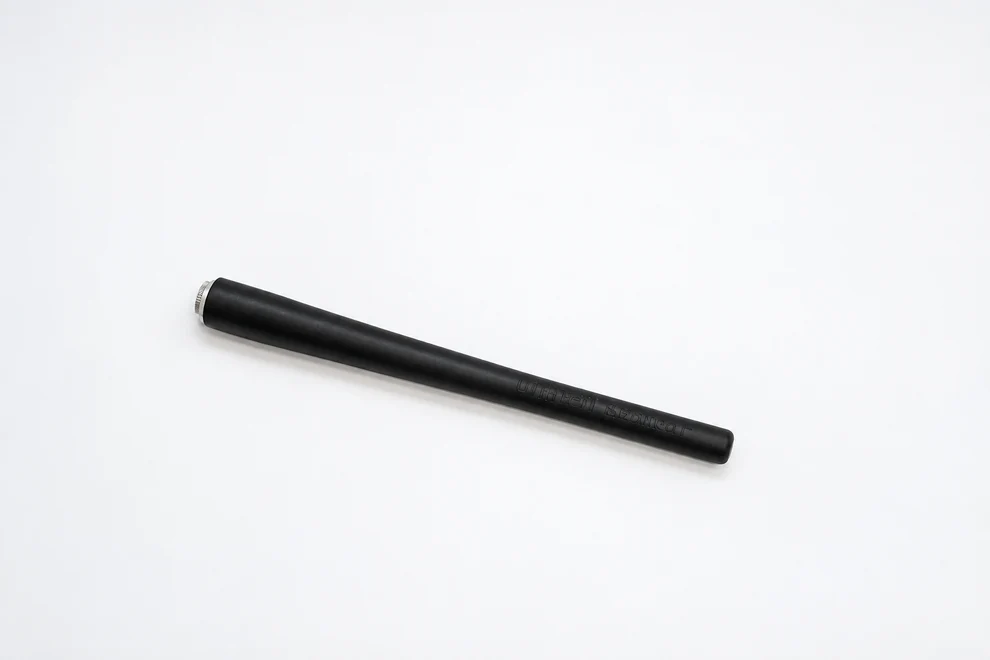
Restore the original handheld setup
This replacement makes sense when an otherwise suitable SDS100 or SDS150 is missing its original antenna. The important advantage is a clearly identified fit, rather than a promise of extra reception range. An owner replacing a broken part has a different buying problem from someone trying to hear a distant system. For the latter, placement and a purpose-selected antenna may deserve investigation before buying another standard handheld antenna. We would treat this as a maintenance purchase, with no assumed reception improvement over an undamaged original.
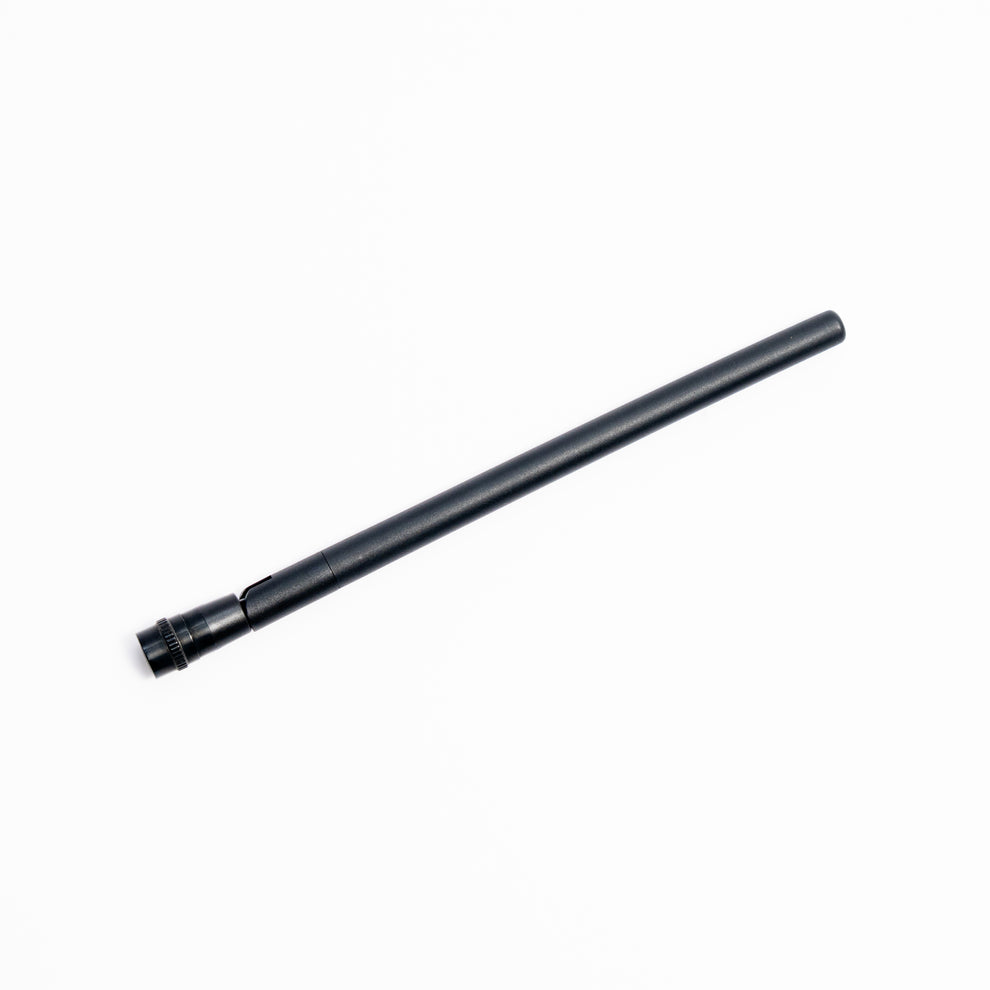
A replacement for the HomePatrol family
The HomePatrol replacement antenna is a sensible first option for a lost or damaged original. Its role is to restore a compact listening setup, not to turn the receiver into an outdoor antenna system. We base the fit recommendation on the product description's HomePatrol-1 and HomePatrol-2 list. Search-result titles can mention other scanners, which is not enough to extend that list. An owner with a working antenna should first test a different position in the room before treating replacement as an upgrade.
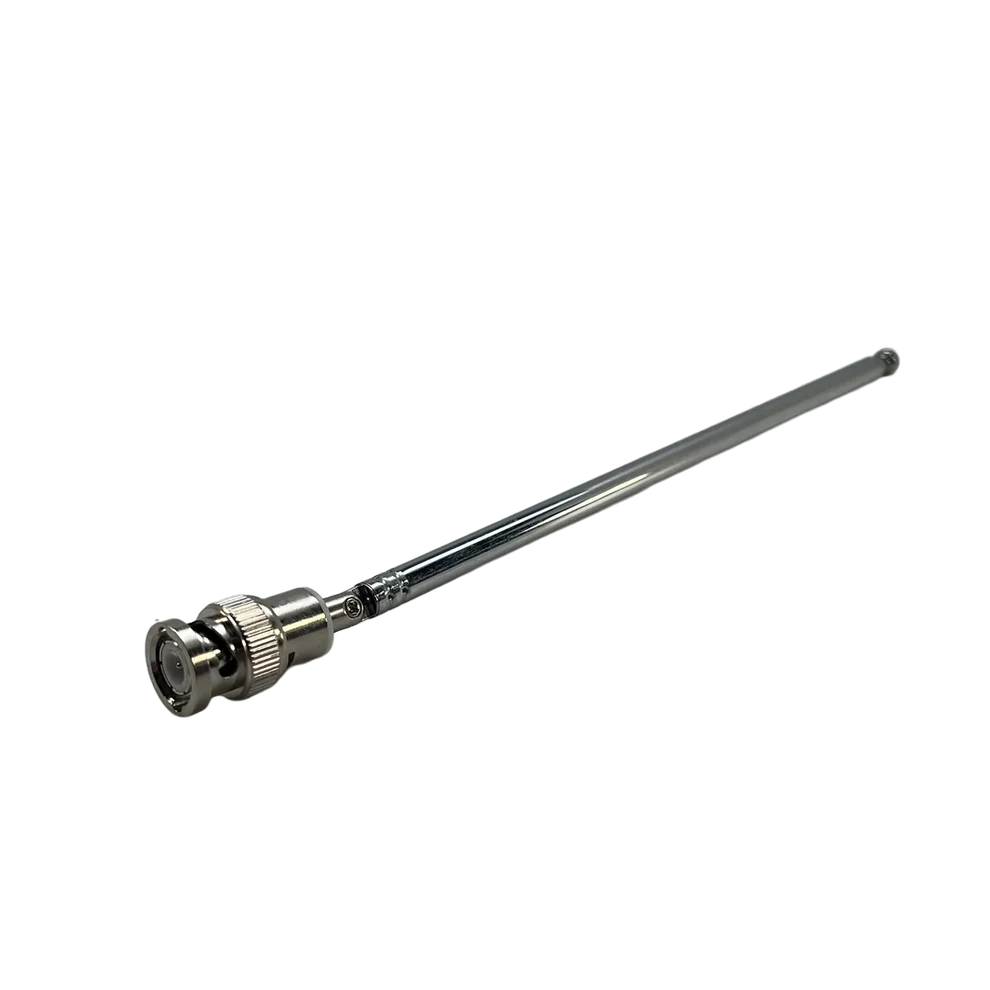
An adjustable antenna for a desk setup
Uniden's telescopic antenna is worth considering for a scanner that mainly stays on a desk. Adjustable length gives the user a different practical arrangement from a short flexible antenna, but the manufacturer’s general improvement language is not a measured result for your location. The purchase makes most sense when you need a replacement or want to experiment with an easily adjusted indoor setup. Portability is the trade-off: an extended metal whip is less convenient around bags, children or crowded work surfaces.
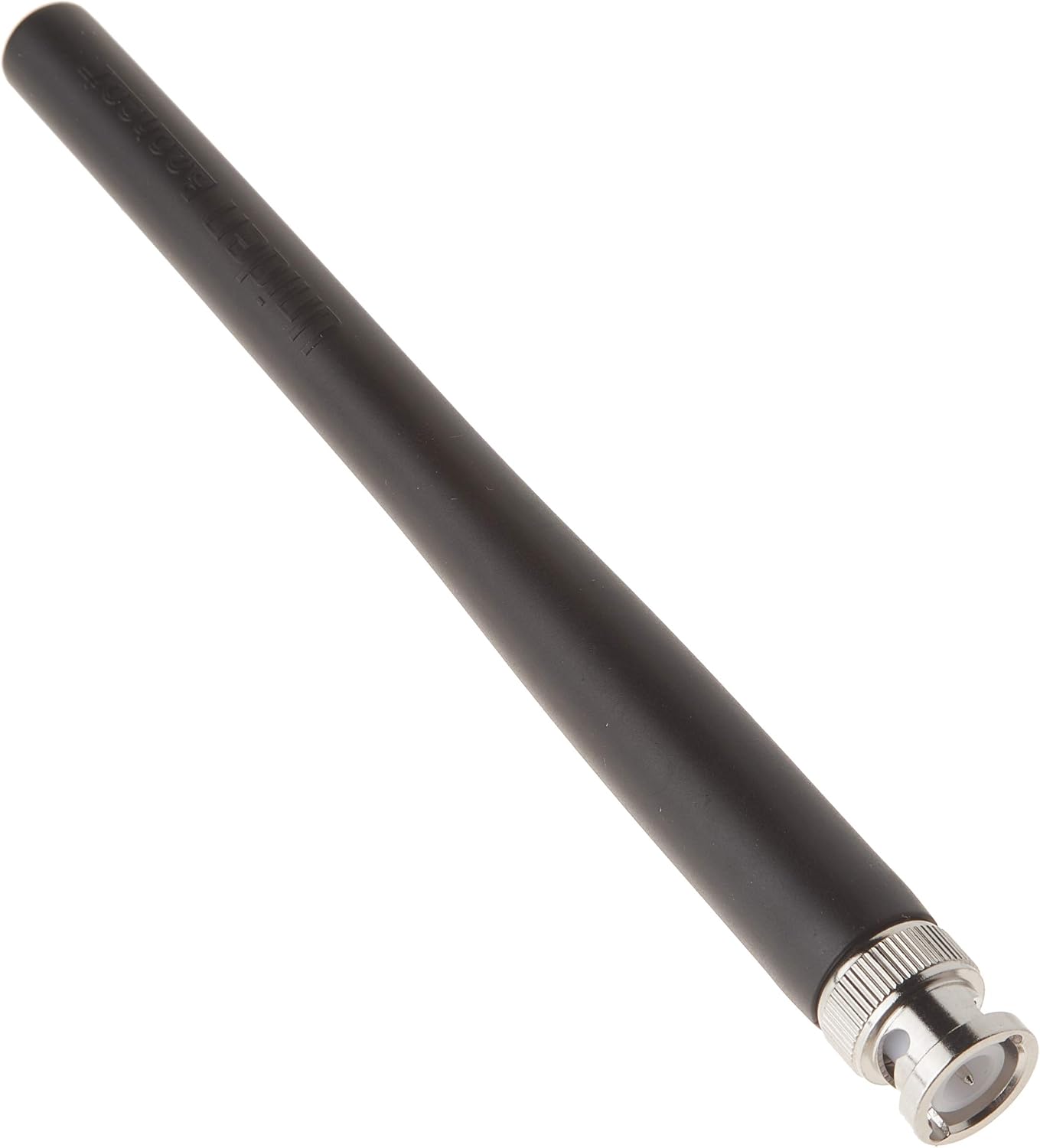
Match the band as well as the connector
The AT218 is a band-focused choice for a receiver and listening target that both make use of 800 MHz. The key buying trap is confusing a connector fit with a usable radio combination. Uniden's accessory page lists the BC125AT, but that scanner does not cover the 800 MHz band. Attaching this antenna would not add that coverage. Start with the receiver's frequency and system specifications, then evaluate the antenna. This makes it a conditional accessory choice rather than a general upgrade for every inexpensive handheld.
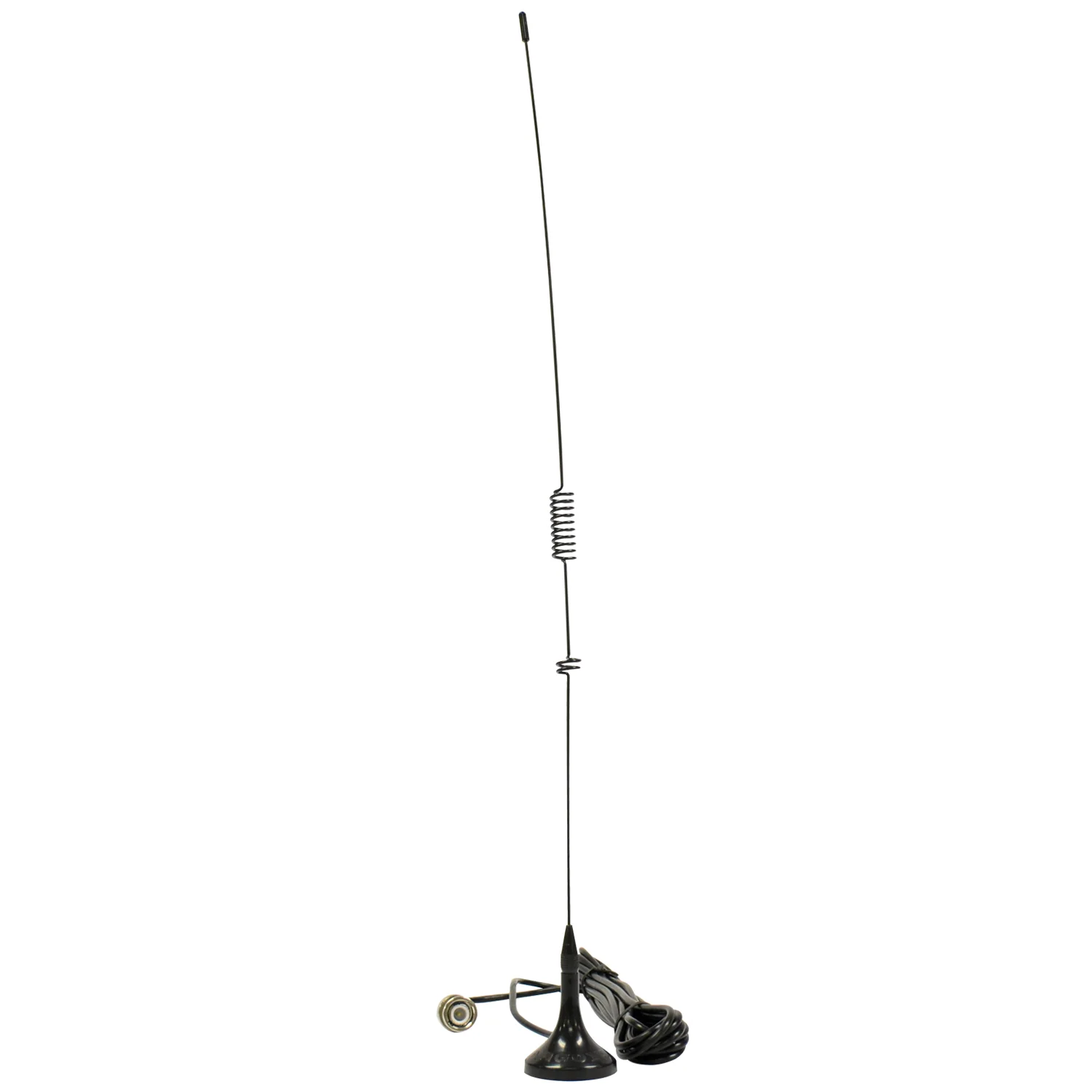
Move the antenna away from the radio
The WMM-160 is interesting for the placement freedom a separate magnetic antenna offers. It may suit a listener whose radio cannot sit in the best available reception position. The public manufacturer description does not provide enough detail to treat it as universally compatible, so the connector and supplied cable need confirming for the exact order. We would shortlist it for a particular installation problem, not on the assumption that magnetic mounting or a wideband label guarantees better results than a stock antenna.
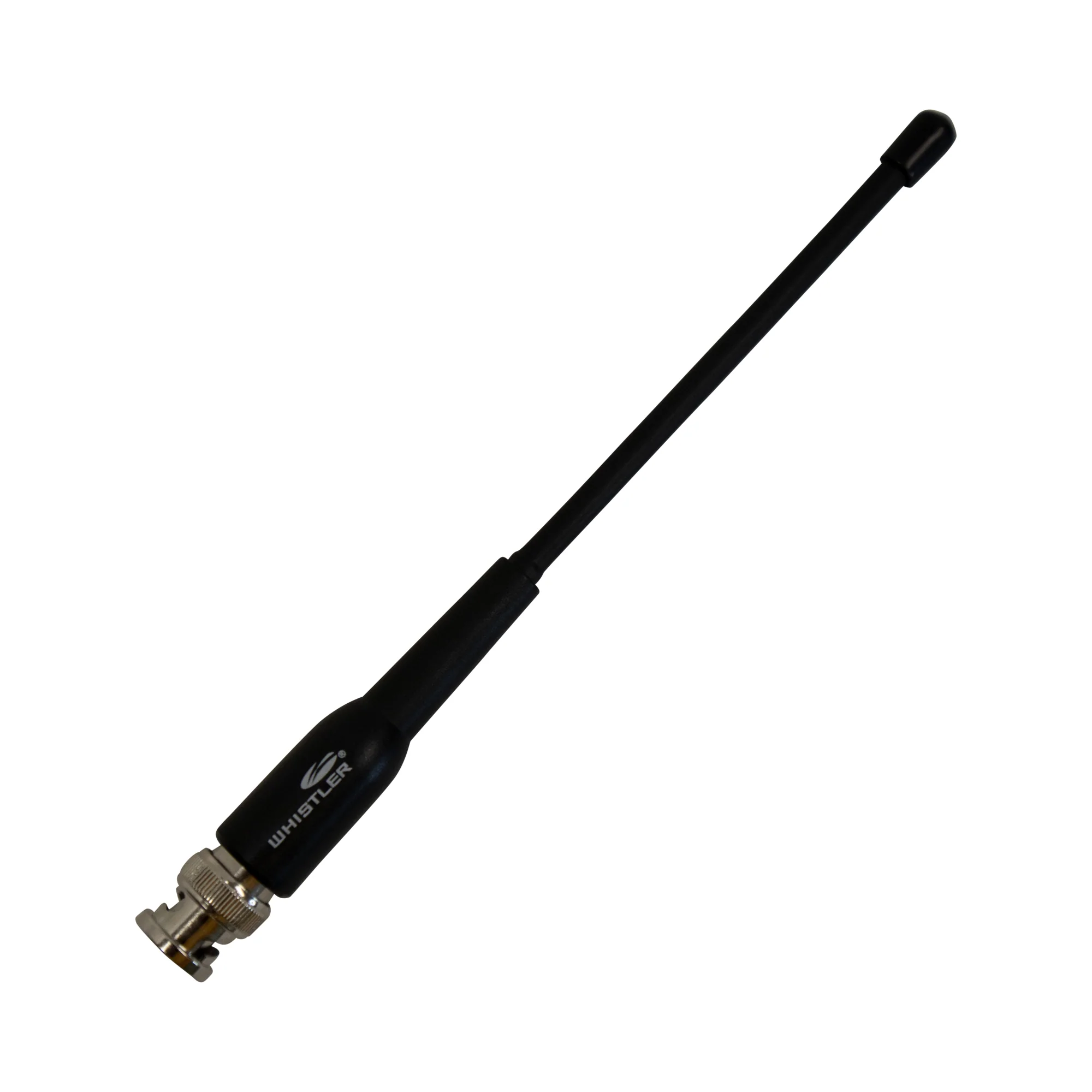
A focused alternative for compatible handhelds
Whistler's tuned antenna is a more deliberate choice than buying the longest replacement available. The manufacturer identifies a 700–960 MHz focus and lists both WS1040 and TRX-1. That makes it a candidate when those are the bands you actually use. It should not be promoted as the best antenna for all listening: someone concentrating on aviation or another band has a different problem. The stated seven-inch length also deserves attention if the radio is carried in a small bag or on a belt.
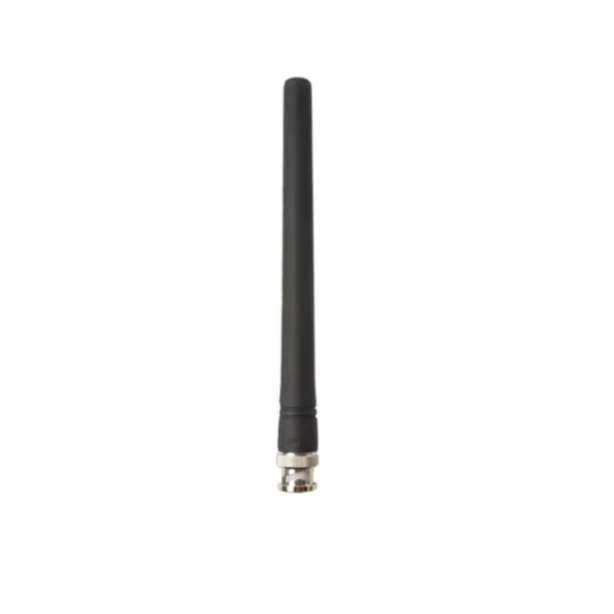
Keep the handheld arrangement compact
This four-inch Whistler antenna is primarily a practical replacement for a portable receiver. Its case is strongest when the original is missing or damaged and keeping the radio compact matters. The shorter arrangement can be easier to live with than a long whip, although we have not measured a reception trade-off between them. A current antenna that already works well is not an obvious reason to buy this one. Choose it for the documented fit and size, and investigate band-focused alternatives separately if reception is the real concern.
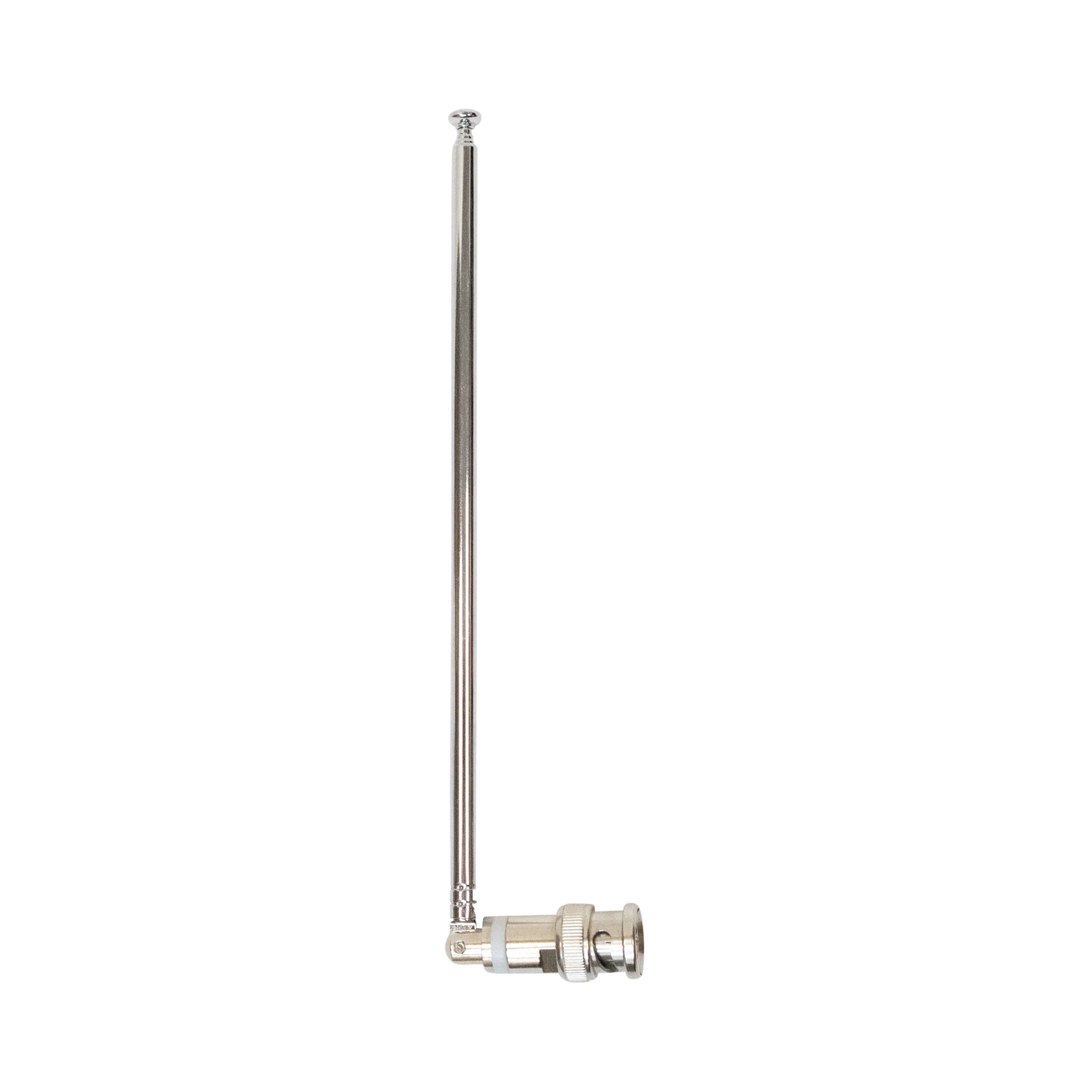
A replacement whip for compatible base scanners
Whistler's telescopic antenna is a straightforward option for completing a used or damaged desktop setup. The official product title says BMC, while the description identifies a BNC connector; buyers should match the connector rather than copy that title typo into an order. This design is most attractive where the receiver can sit in the open and there is room to extend the antenna. A separate antenna may be the more useful purchase if the scanner must remain in an awkward reception position.
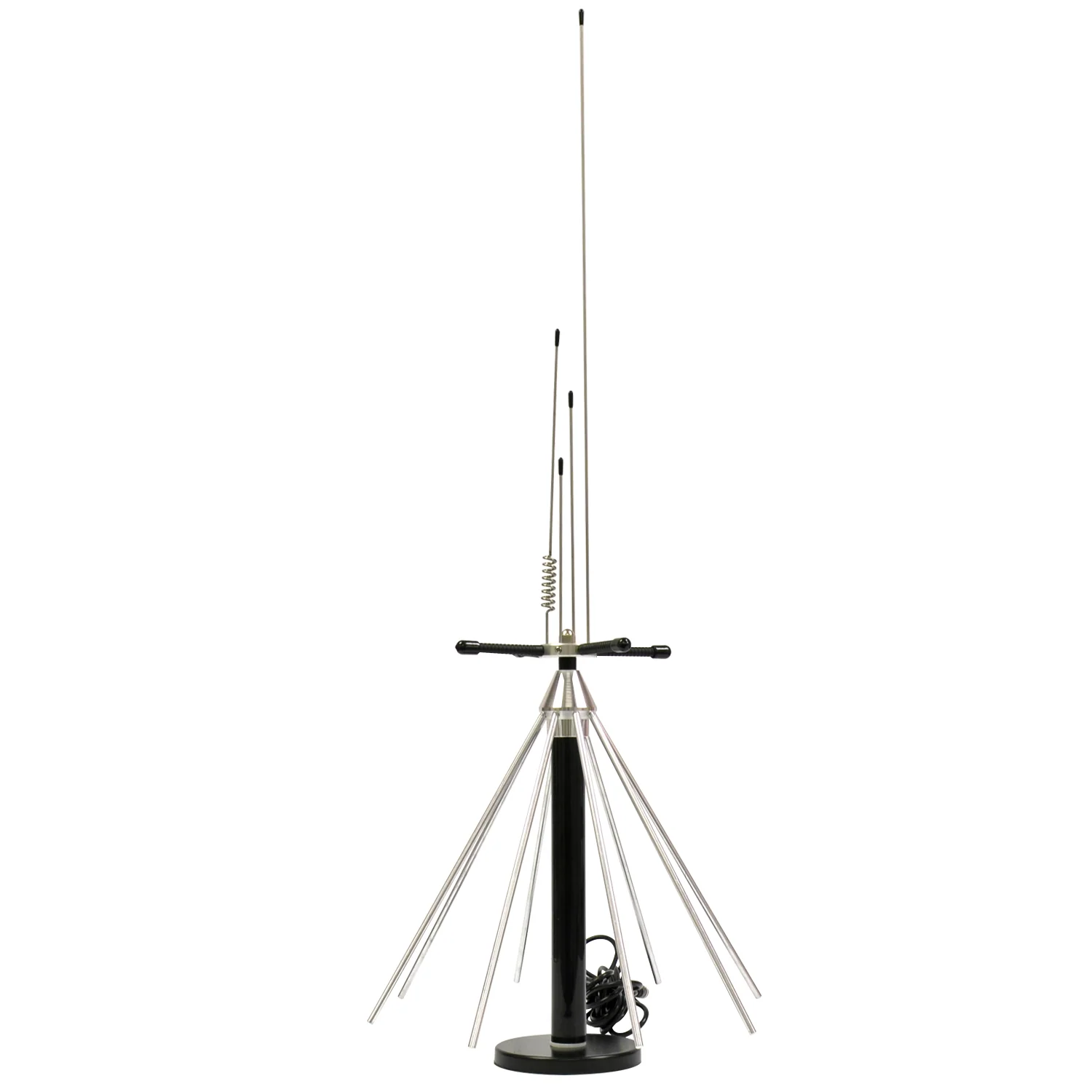
A larger indoor antenna for a fixed listening position
The WMM-860 is the most substantial indoor antenna arrangement in this accessory selection. Its appeal is a separate location and a broad manufacturer-stated range, but buyers need room for a 36-inch structure and its cable. It is an alternative to an on-radio whip, not a like-for-like portable replacement. Wide frequency coverage is not proof of equal performance throughout that range. The source also retains a pre-order message, so current availability should be established directly rather than inferred from an old shipping date.
Cases · 2 OPTIONS
A useful case fits the exact radio while leaving the screen, controls, antenna and charging connection usable. A model-specific sleeve can be a better fit than a generic pouch, but protection and carrying convenience are separate from a certified water-resistance rating.
| Model | Best suited to | Main consideration |
|---|---|---|
| Uniden SDS100 protective sleeve | SDS100 owners wanting a fitted everyday cover | Not a waterproofing claim |
| Whistler TRX-1 protective case | TRX-1 owners replacing a worn or missing case | Not universal across Whistler handhelds |
Check the manufacturer’s fit list rather than ordering by approximate dimensions. Do not assume a protective case makes a scanner waterproof or safe to charge in every enclosure.
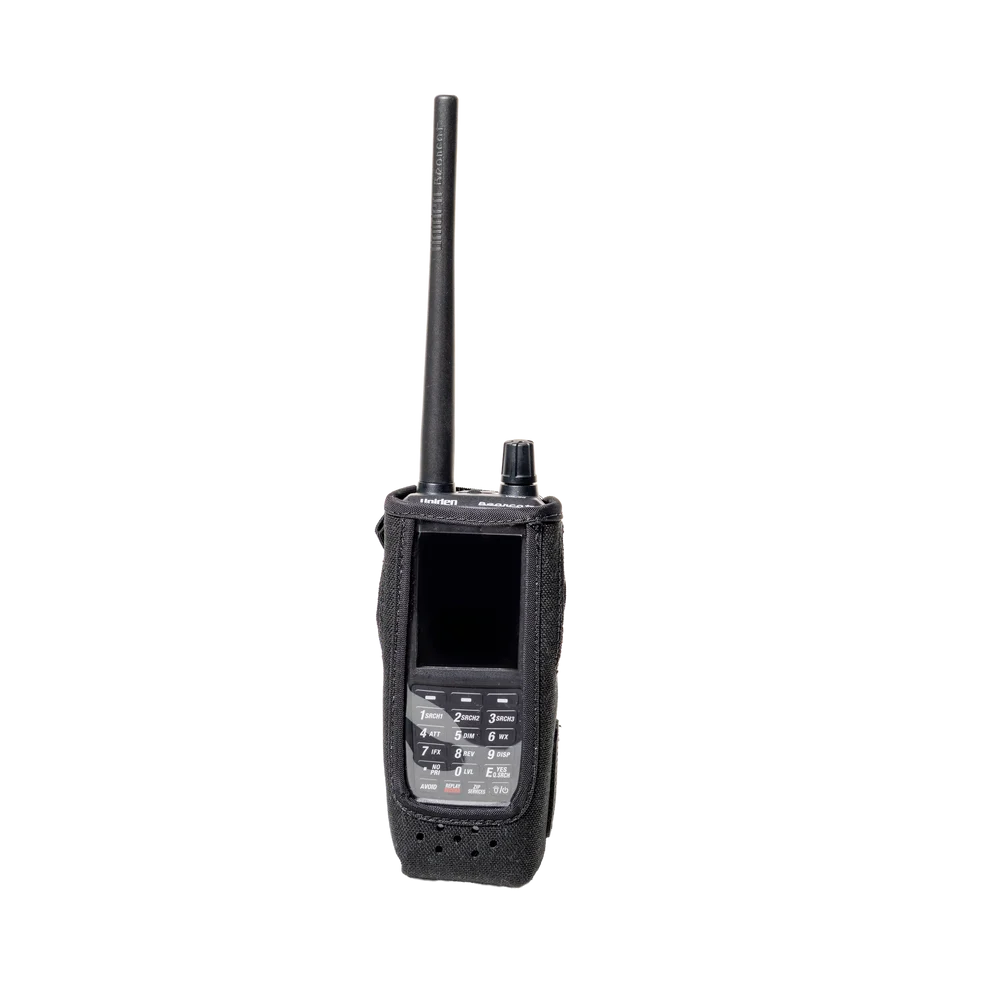
Everyday protection with the correct model fit
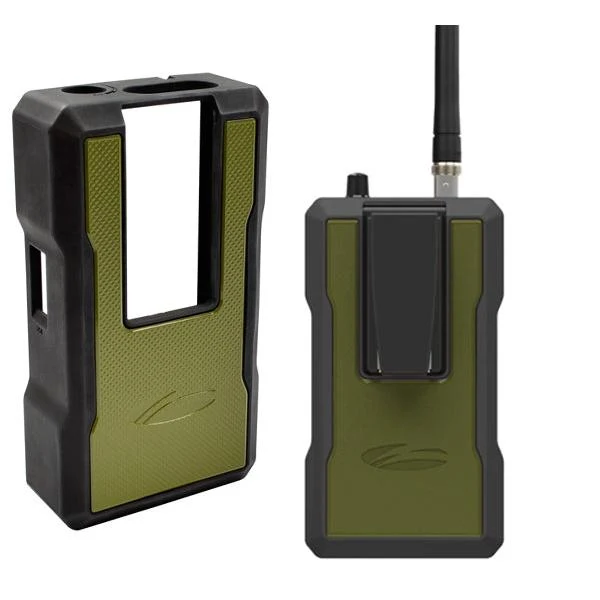
The Uniden sleeve is a practical option for an SDS100 that is frequently picked up, carried or set down on different surfaces. It should be judged as an everyday cover rather than a protective enclosure for severe conditions. The product page offers several model variants; this review concerns the SDS100 version. A shared listing does not mean one sleeve fits all of those radios. For a reader who mainly listens at a desk, the benefit may be modest compared with a secure place to keep the scanner.
A fitted cover for the TRX-1 family
The Whistler case is worth considering as a replacement for a missing or worn TRX-1 cover. Before buying it separately, check the contents of the scanner package: a protective case appears in the TRX-1 manual's accessory list. Its practical purpose is easier everyday handling and protection from ordinary contact, not a new capability for the radio. The WS1040 is a different case shape and should not be assumed to fit merely because it is another Whistler handheld.
Power & batteries · 9 OPTIONS
Power accessories are compatibility purchases. Voltage, polarity, current, battery chemistry and physical connector all matter. A familiar-looking plug or a shared brand is not enough evidence that a supply belongs with your scanner.
| Model | Best suited to | Main consideration |
|---|---|---|
| Uniden BPS150 battery pack | SDS150 users who want a second battery | SDS100 compatibility not established |
| Uniden BPS100 battery pack | SDS100 owners replacing a worn pack or building a spare rotation | Battery alone is not a charging solution |
| Uniden EBC100 charger kit | SDS100 users who regularly rotate spare batteries | Extra desk hardware |
| Uniden SDS100 AC adapter | SDS100 owners replacing the specified power adapter | Verify cable and regional plug contents |
| Uniden base/mobile AC adapter | Owners replacing the specified supply for a compatible base scanner | Broad compatibility text needs model-level checking |
| Uniden vehicle DC power cord | Compatible base/mobile scanners moving between locations | Socket power behavior varies by vehicle |
| Uniden three-wire power harness | Compatible scanners being professionally or competently installed | Requires correct installation |
| Whistler WS1065 / TRX-2 AC adapter | WS1065 or TRX-2 owners restoring a fixed listening setup | Not a handheld supply |
| Whistler rechargeable battery tray | WS1010 or WS1040 owners replacing the rechargeable-cell holder | Not a battery or standalone charger |
Prefer the documented replacement for your exact model where possible. Check whether a charger includes a battery and whether the radio can charge while operating; these are model-specific details.
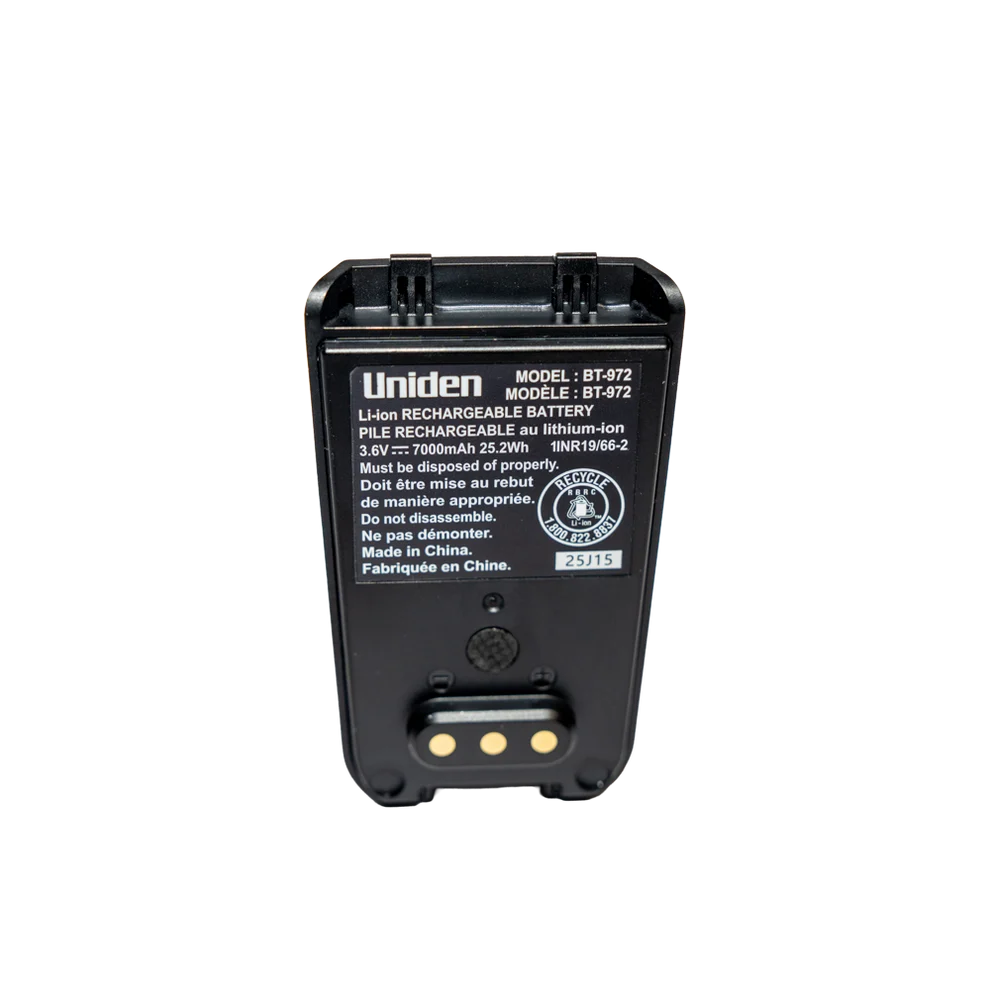
A dedicated spare for SDS150 owners
The BPS150 is the appropriate battery family to investigate for an SDS150 spare. The model distinction matters because similar scanner names do not establish battery interchangeability. A second pack is useful when carrying spare energy is more convenient than connecting an external supply, but it only helps if there is a practical way to keep that spare charged. We do not translate the stated capacity into a number of listening hours: volume, display settings, radio activity and battery condition can change the real experience.
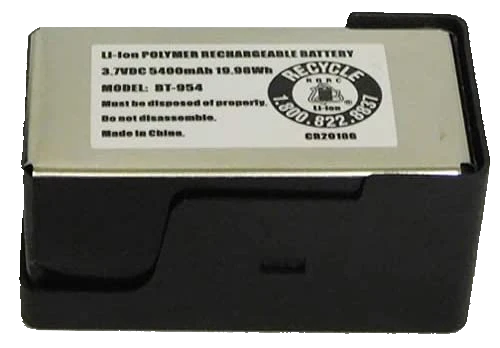
Keep an SDS100 spare ready
The BPS100 is a focused maintenance purchase for an SDS100 owner. It is a sensible option when the existing pack is worn or a second battery would help during longer outings. Compare the cost and contents of the EBC100 charger kit before ordering a loose spare, because that kit is described as including a battery. The useful question is how the new pack will fit your routine, not just whether it adds capacity on paper. We have not measured battery life or aging for this product.
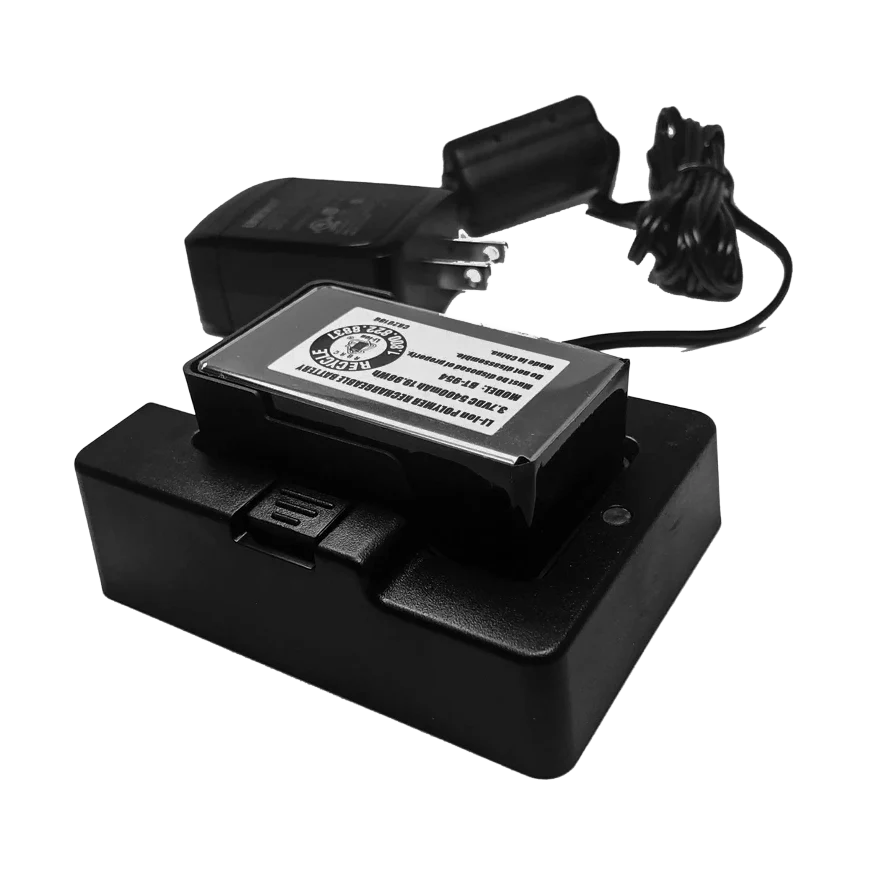
Charge an SDS100 spare outside the scanner
The EBC100 addresses a different problem from a replacement wall adapter: it lets an SDS100 owner charge a spare outside the receiver. That is useful when the scanner is in service and a second battery needs replenishing. The manufacturer's kit description includes a battery, so compare package contents carefully before also ordering a separate BPS100. This is a convenience purchase for a regular battery rotation; someone who leaves the scanner on external power may get less benefit from an additional dock.
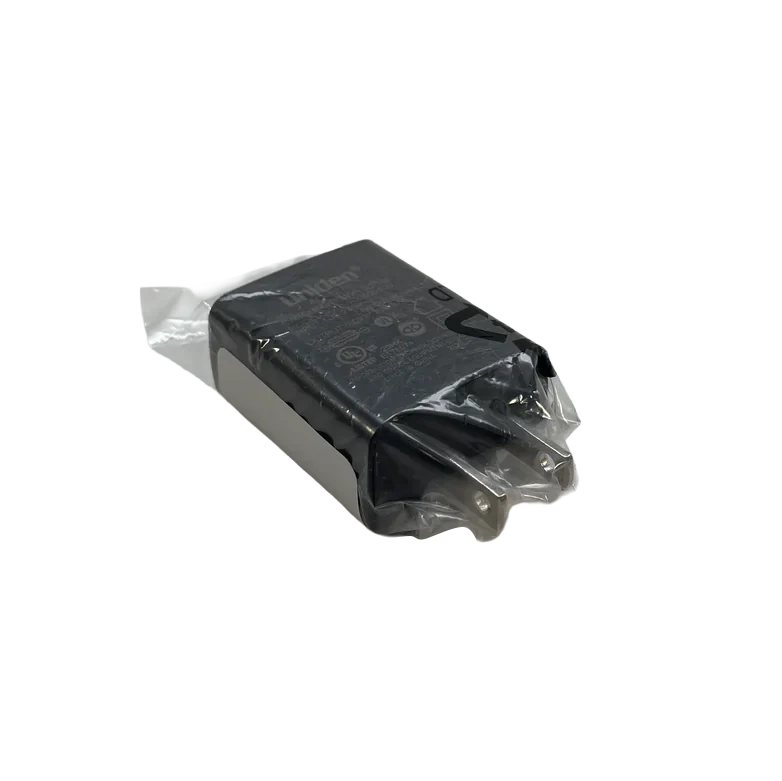
Restore a known wall-power arrangement
BADG1278001 is a replacement wall-power option for a compatible handheld setup. It is worth choosing when the original supply is missing and you want a clearly identified part rather than a generic adapter with a similar-looking connector. The purchase does not replace the role of an external battery dock. It also does not mean any USB source will behave identically. Confirm the actual supplied cable, plug type and electrical label against the scanner instructions before using a replacement at home or while traveling.
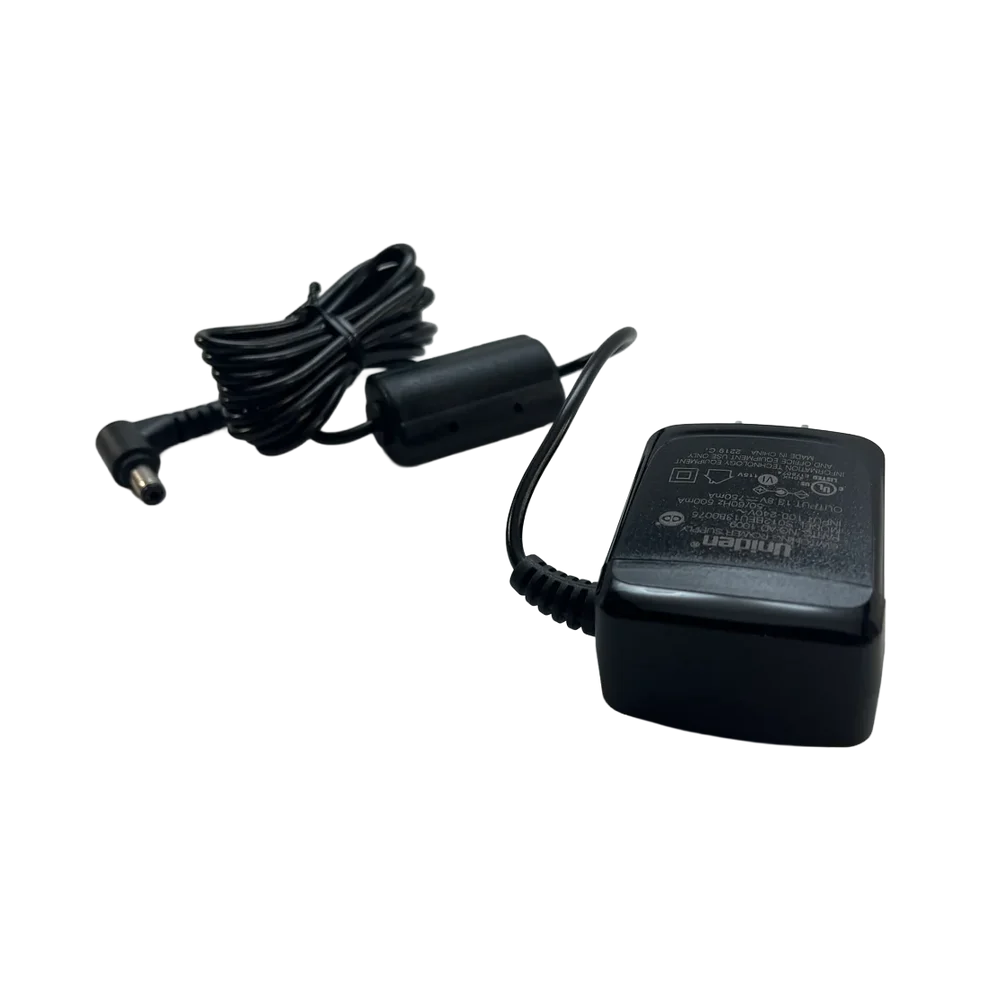
Power a compatible scanner at a fixed desk
A correct power supply matters more than the apparent simplicity of this accessory. BADG1271001 is Uniden's listed AC adapter for base/mobile scanners, including several models in this guide. The official page groups a broad range of radios, so we recommend checking the exact scanner manual and original adapter label before ordering. Do not rely on the shape of the plug alone. For an owner with a lost original, a traceable manufacturer part is useful; for a functioning setup, there may be no reason to replace it.
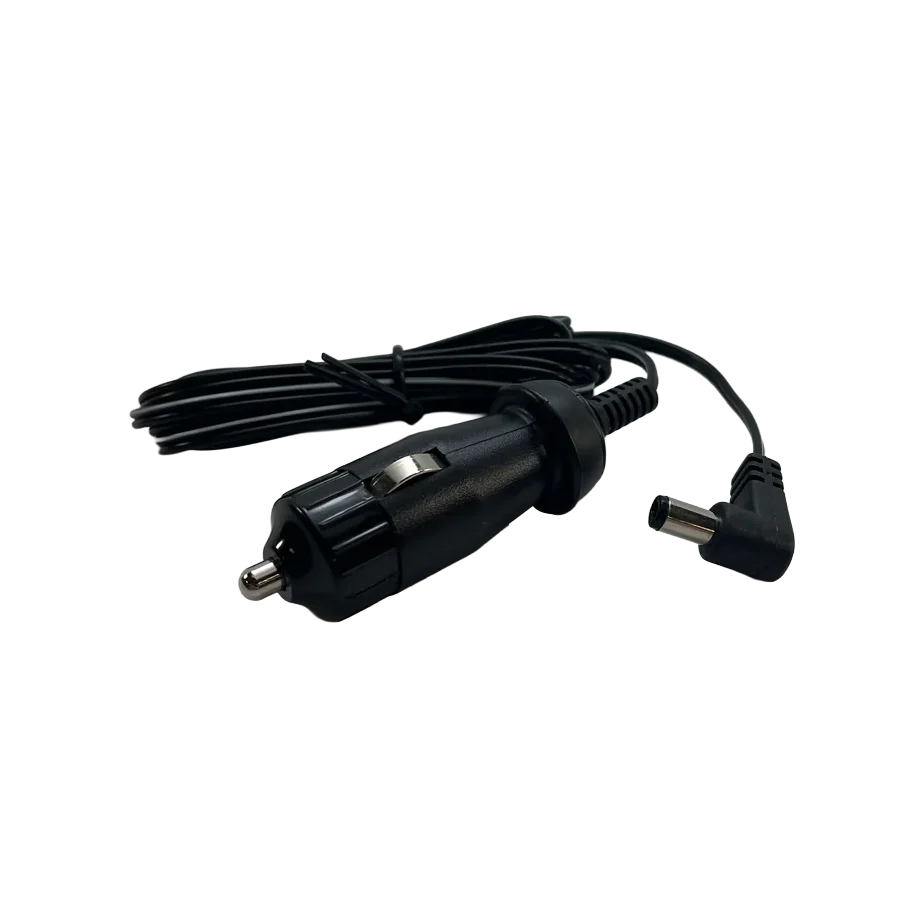
Use a compatible scanner from a vehicle outlet
This vehicle power cord is the simpler route for a compatible scanner that is moved between a desk and a vehicle. Its advantage is a removable accessory-outlet connection, rather than the tidy permanence of a hardwire harness. That convenience comes with practical details: some vehicle outlets remain live when parked, and the lead still needs a secure route. Choose it after identifying the correct scanner input and mounting position. A power cord alone does not make a loose receiver a complete mobile installation.
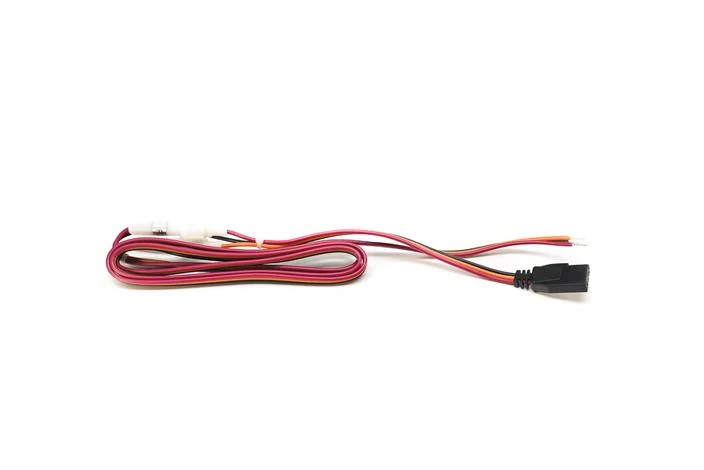
For a planned fixed vehicle installation
The three-wire harness belongs in a considered installation, not an impulse accessory bundle. It can suit an owner who wants a compatible base/mobile receiver permanently positioned in a vehicle. The trade-off is the wiring work and the need to follow the receiver's installation instructions. It is not equivalent to the removable accessory-outlet cable. Before choosing it, decide how the receiver will be switched, where it will be mounted and how the wiring will be protected and kept away from vehicle controls.
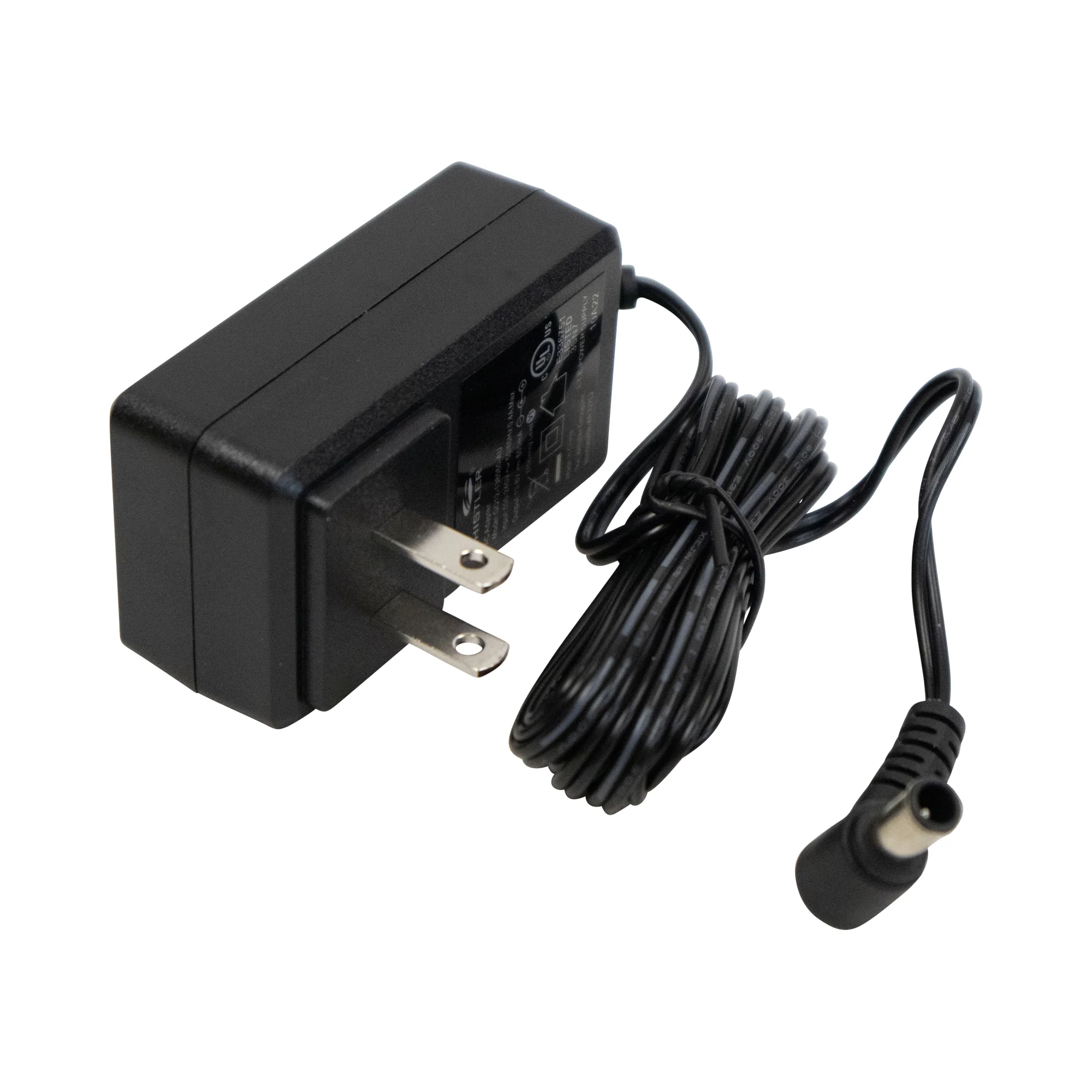
A replacement supply for compatible base models
Whistler's base-scanner adapter is the sensible starting point when the correct supply for a WS1065 or TRX-2 is missing. It gives the buyer a defined compatibility route instead of encouraging trial and error with a drawer of wall adapters. That does not remove the need to inspect the actual delivered label and plug. A working original normally needs no replacement; a second supply is most useful when a radio regularly moves between two established listening positions.
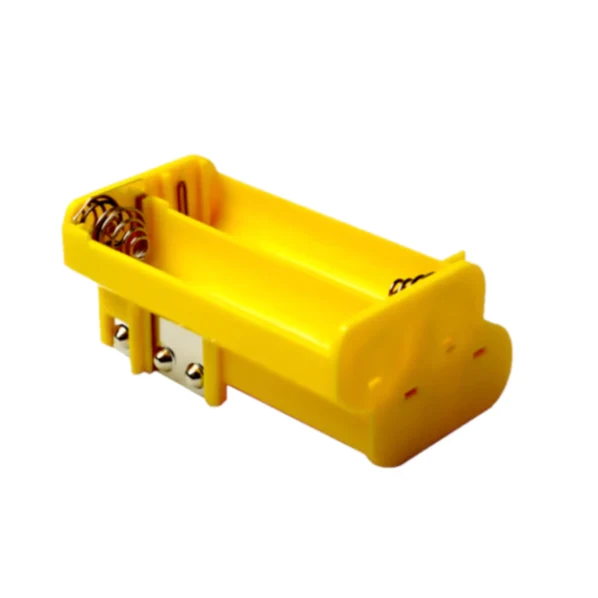
Use the correct holder for rechargeable cells
The yellow tray is a small component with a more important role than its appearance suggests. Whistler specifies it for rechargeable NiMH AA cells in compatible handheld scanners. It should not be treated as interchangeable with the holder used for disposable cells. For a used WS1010 or WS1040 with a missing tray, it may be an essential replacement. For an owner who already has the correct tray, another one is not a capacity upgrade and does not include new batteries.
GPS accessories · 1 OPTION
An external GPS receiver is only useful if your scanner supports the corresponding location-based workflow. The receiver, scanner cable, power connection and configuration all need to match. A GPS accessory does not add digital decoding or trunk tracking.
| Model | Best suited to | Main consideration |
|---|---|---|
| Uniden BC-SGPS receiver kit | Compatible scanners regularly used across several areas | Correct scanner cable is essential |
Start with the scanner’s manual and work outward to the documented GPS accessory. Check what is in the box before adding duplicate cables or adapters.
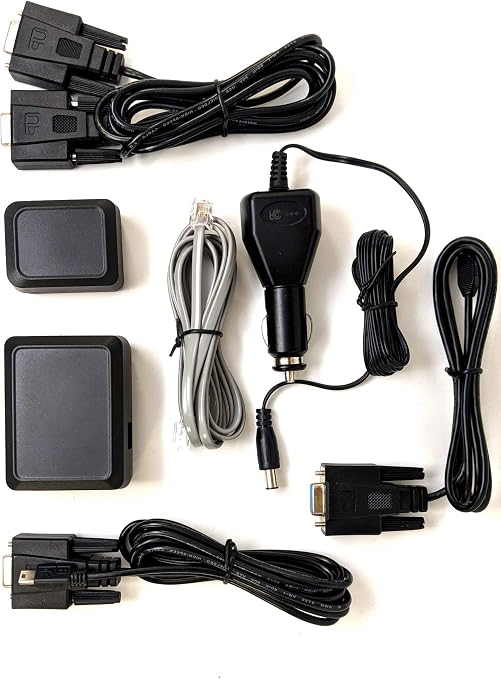
Automate location-based scanning on supported receivers
BC-SGPS is useful when the listening location changes often enough to make manual system selection tedious. It supplies location information to a compatible scanner, allowing the receiver's own location-based features to decide what should be scanned. It is not a navigation display and it does not make an incompatible scanner decode a new system. The best candidate is someone who already understands the receiver's programming and regularly travels between areas. A stationary listener may gain little from an additional receiver and cable arrangement.
Setup & installation · 7 OPTIONS
Small accessories can solve a real setup problem: connecting the right computer, mounting a base/mobile scanner, adapting an antenna or making audio easier to hear. Buy them for a named requirement in your setup, not because they appear beside a scanner in a shop.
| Model | Best suited to | Main consideration |
|---|---|---|
| Uniden USB Mini-B cable | Compatible Mini-B scanner connections needing a replacement lead | Power behavior differs between scanner models |
| Uniden SDS100 BNC/SMA adapter | SDS100 or SDS150 owners with a suitable BNC antenna | Adds a mechanical connection |
| Uniden HomePatrol-2 mobile bracket | HomePatrol-2 owners planning a secure mobile setup | Mounting surface needs assessment |
| Whistler desktop/mobile mounting bracket | WS1065 or TRX-2 owners completing a fixed setup | Fixing hardware needs confirmation |
| Uniden SDS / BCD436HP belt clip | SDS100, SDS150 or BCD436HP owners with a missing clip | No retention test published here |
| Whistler PC/IF programming cable | WS1040 or WS1065 owners using compatible PC programming software | Not a software license or database subscription |
| Whistler 3.5-inch external scanner speaker | Fixed setups where the built-in speaker is awkwardly placed | Electrical fit details are sparse |
Check your scanner’s included accessories first. A second cable or bracket only helps when its function and fit are clear.
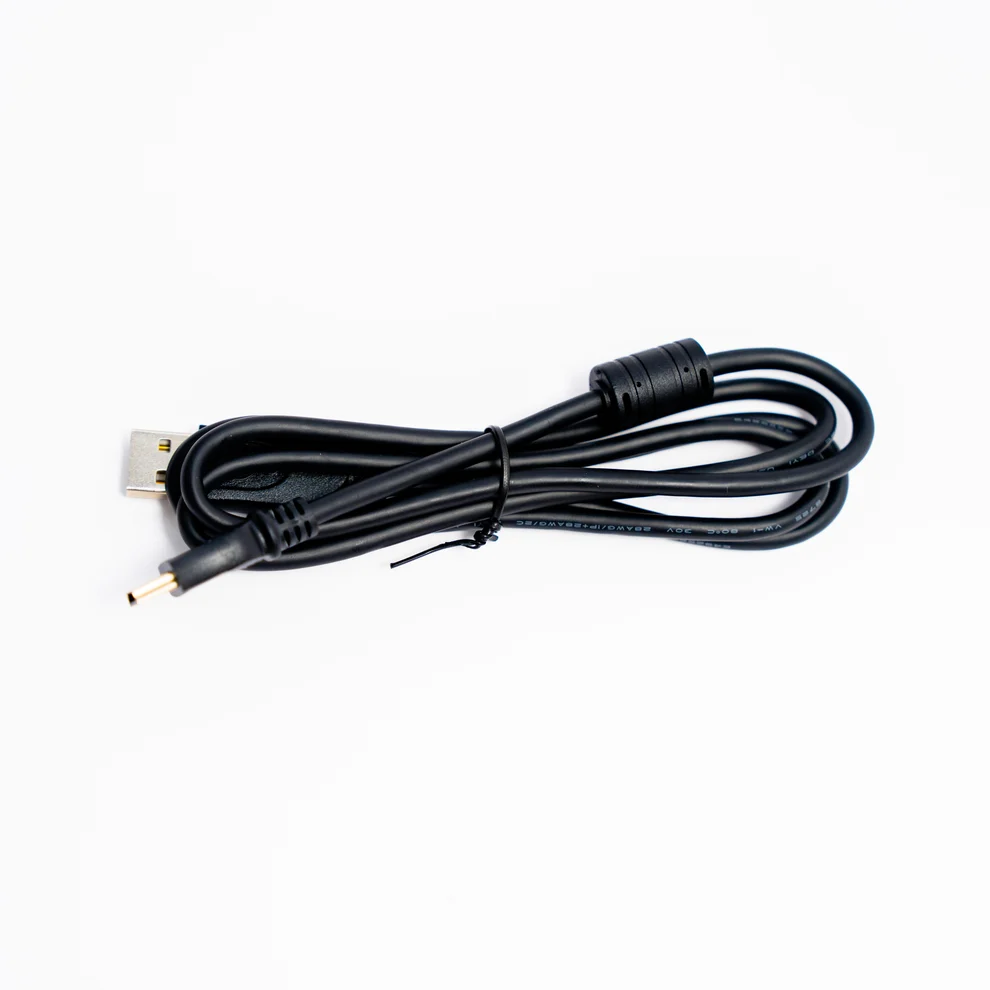
Replace the correct data and power connection
The value of this cable is a known connection type, not a special enhancement to the receiver. It is useful when the original Mini-B lead is lost or a cable only supplies power when data is needed. The manufacturer's listing groups several scanners with different power arrangements, so the presence of a model in that list should not be read as a promise that USB powers every function on that receiver. Identify the port and intended operation—programming, data transfer or charging—before ordering.
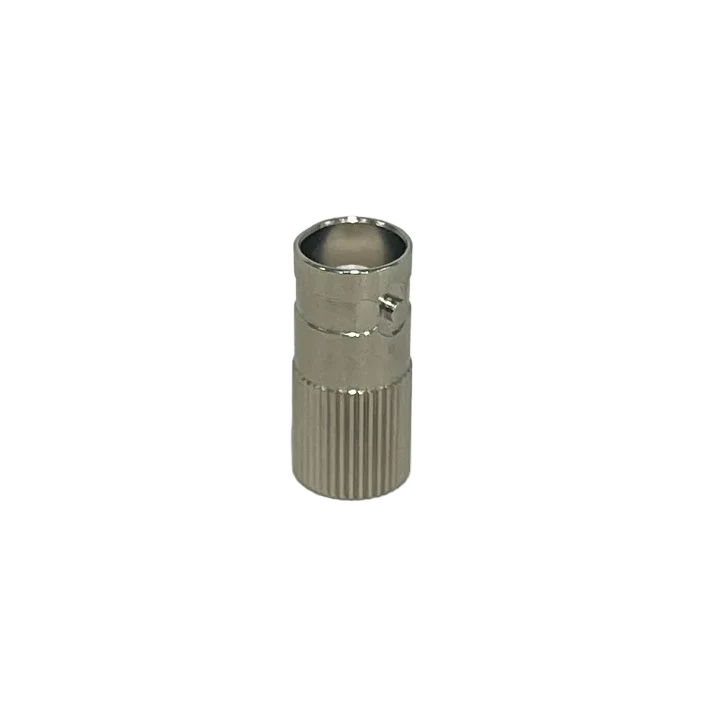
Connect a compatible BNC antenna arrangement
This adapter is useful when a suitable antenna has a BNC connection and the scanner needs the corresponding SMA-side fit. Its job is mechanical and electrical connection, not signal amplification. Uniden identifies SDS100 and SDS150 for this part, which is more useful than selecting a generic adapter solely from a photograph. Before buying, establish the antenna's band, the connector genders and whether the complete assembly will fit comfortably around the radio. The adapter should solve a defined connection problem.
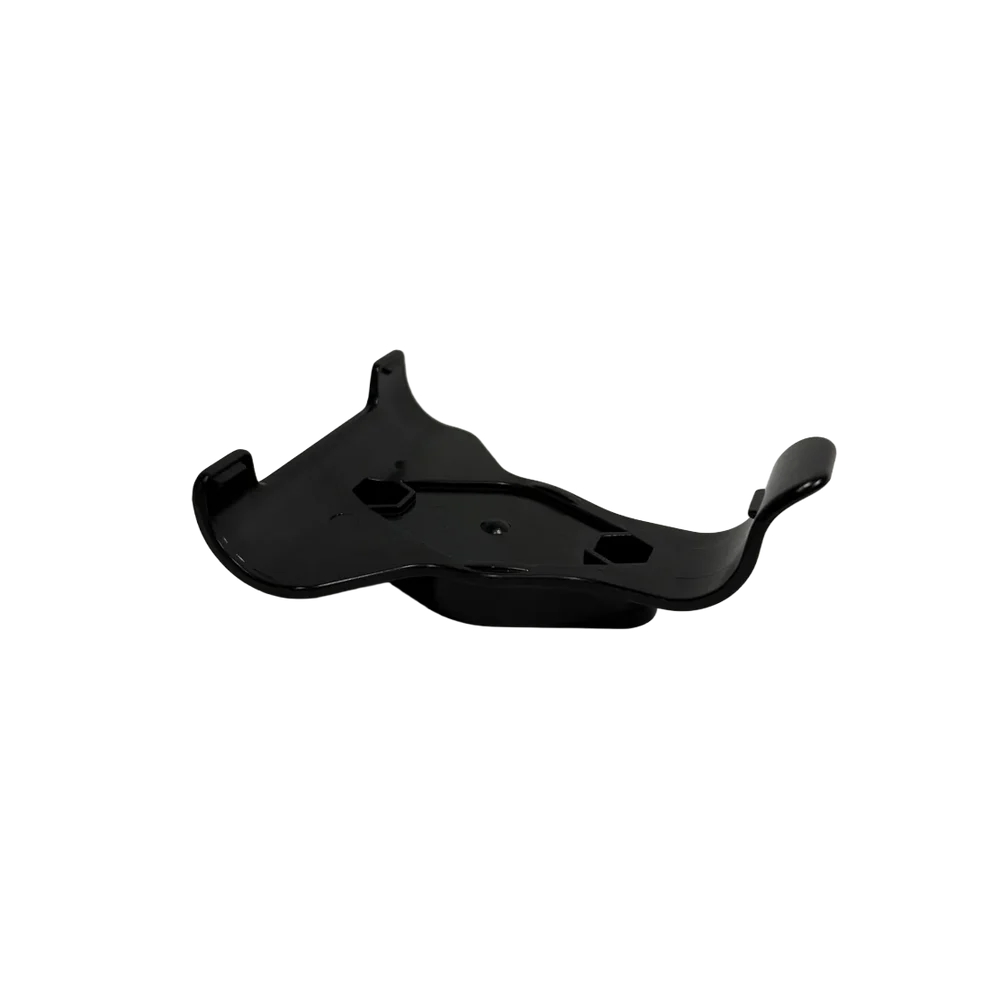
Give the touchscreen receiver a fixed position
The HomePatrol-2 bracket is a useful component when the receiver needs an established place in a vehicle. It should be selected as part of the installation rather than as a complete installation by itself. A mount can make the screen easier to position, but it does not decide where the receiver may safely sit or how the cables should run. For a radio that remains on a desk, a mobile bracket may be unnecessary; for a frequently used vehicle setup, a model-specific bracket is worth evaluating.
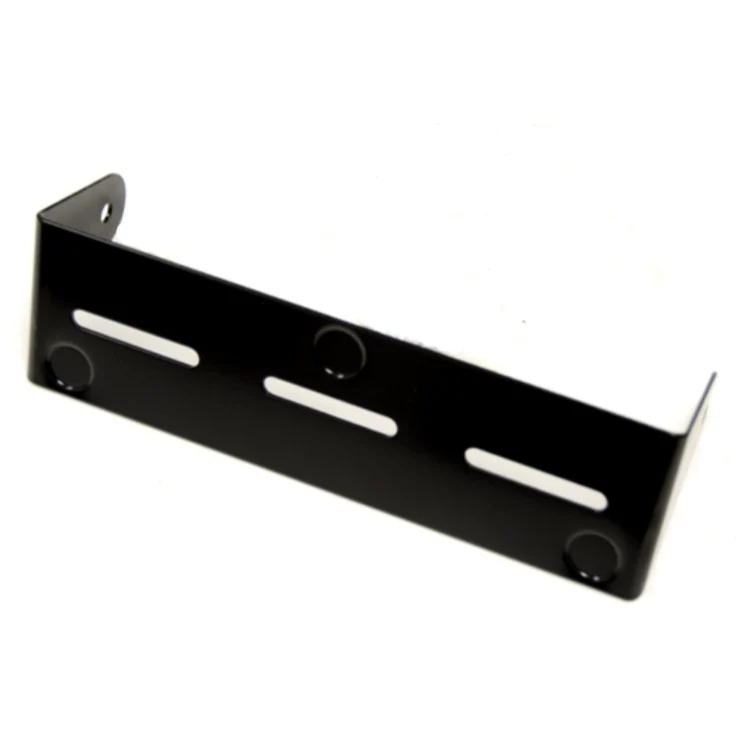
Replace a missing base-scanner bracket
A mounting bracket is easy to overlook when buying a used base scanner, yet it can be central to positioning the receiver properly. Whistler lists this replacement for WS1065 and TRX-2, among related models. Its value is restoring the intended mounting arrangement. It is not a universal vehicle fitting kit and it should not be assumed to include every knob or fastener needed. Check the parts already present before ordering so that the replacement completes the setup instead of duplicating what you own.
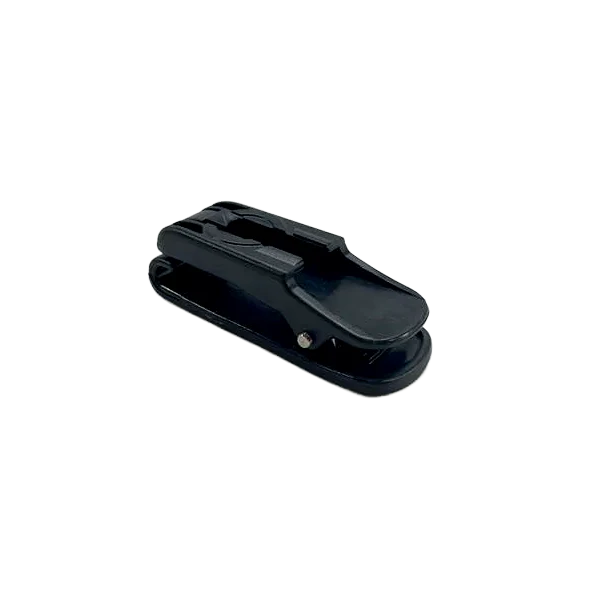
Replace a small but useful carrying part
A belt clip can be a worthwhile replacement when the scanner is regularly carried and the original part is missing. This Uniden part has a clearly identified model list, which matters more than a generic description of a scanner clip. It does not protect the screen or body, and it should not be mistaken for a secure carrying case. For a radio used mostly on a desk, the purchase is optional. For an owner who relied on the clip, it restores an everyday convenience.
Connect supported scanners to a computer
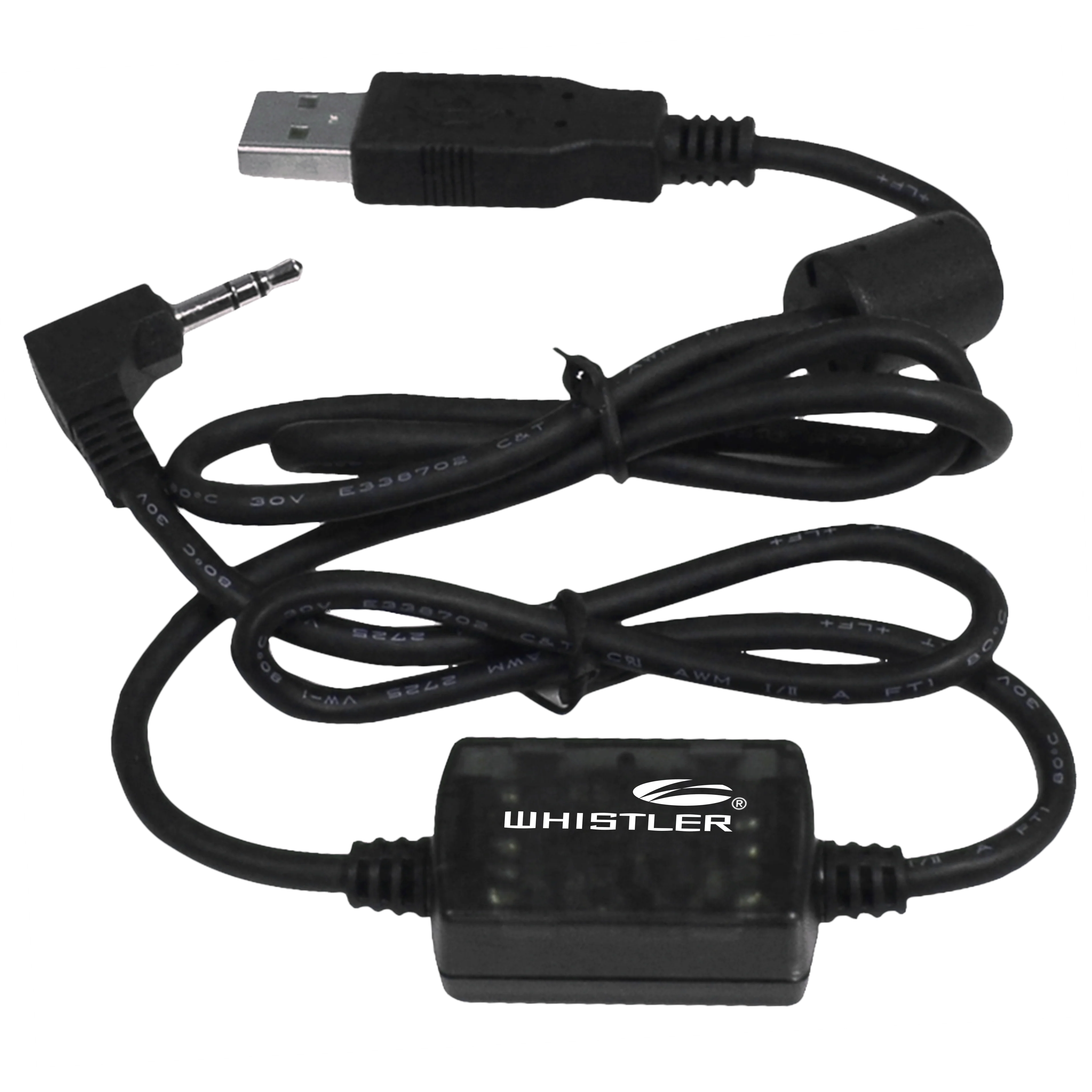
The PC/IF cable is worth considering when computer-based management is part of a supported scanner's workflow. The important distinction is that the cable supplies an interface; it does not supply a complete programming service. You still need suitable software, any necessary drivers and correct information about the systems you want to monitor. For a WS1040 or WS1065 owner entering a substantial configuration, the connection can be useful. A TRX user should check that receiver's separate USB arrangement rather than assuming this cable is required.
Put the audio where it is easier to hear
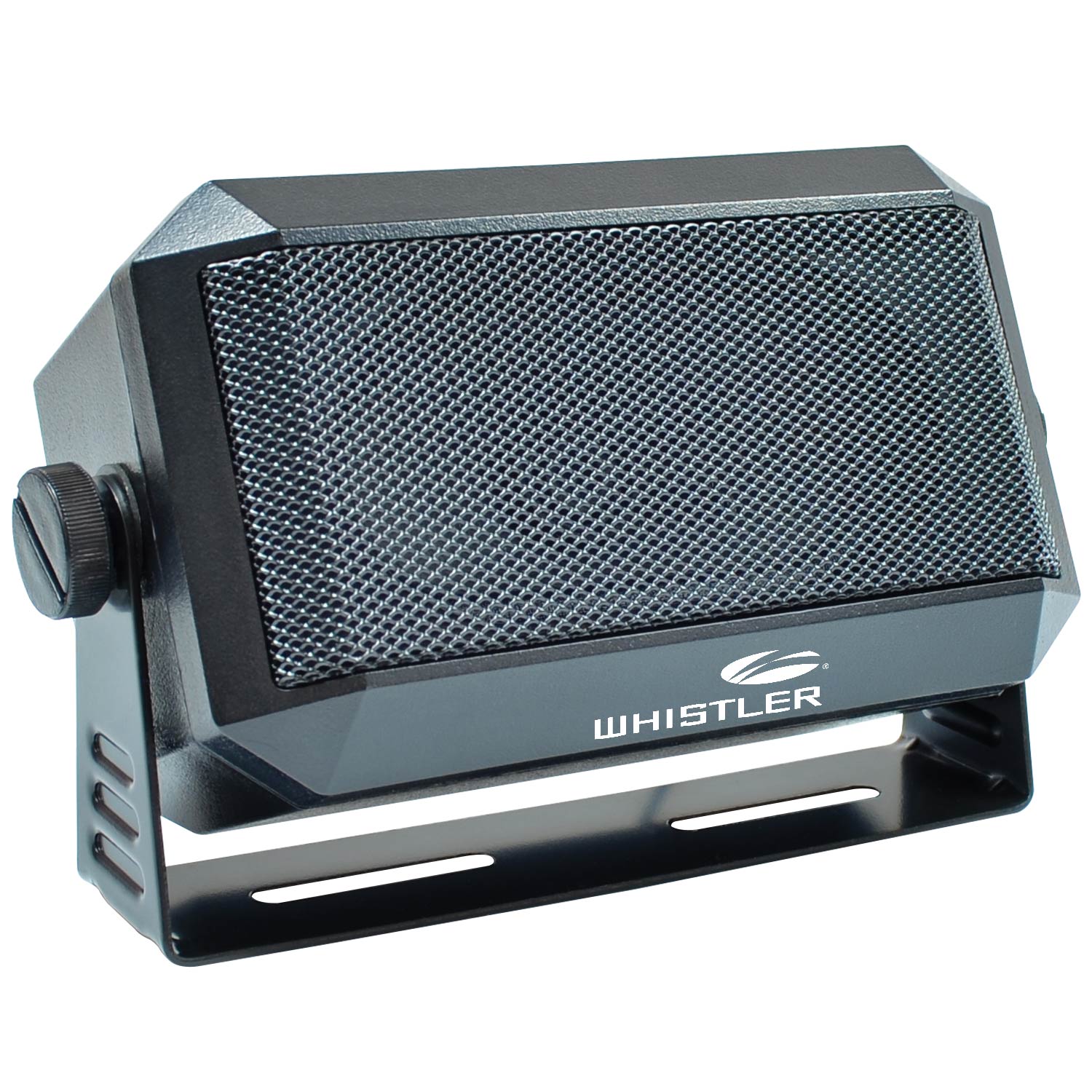
An external speaker can make sense when the scanner must sit in a position that leaves its own speaker obstructed or facing away from the listener. Whistler's 3.5-inch model is a candidate for that layout problem. The public description does not establish everything needed to promise a universal connection, so confirm the plug, impedance and the scanner's supported output before ordering. We would not buy it merely on a general claim of richer sound. Better placement is the clearer practical reason to investigate it.
EVERY PRODUCT, IN ONE PLACE
50 products
No matching products. Try another name or clear the filters.
A BETTER-INFORMED BUY
A practical compatibility check before you spend money on a scanner.
Read the guide →02 FIELD GUIDE ↗Four different questions that are often collapsed into one confusing product label.
Read the guide →03 FIELD GUIDE ↗Match the scanner’s shape, controls and power arrangement to where you will actually listen.
Read the guide →COMMON QUESTIONS
Start with your system.
Then choose your scanner.
There is no single model that fits every listening area. Choose the exact system and protocol support first, then compare form factor, programming workflow, accessories and total setup cost. The recommendations above explain those trade-offs.
No. System compatibility, encryption, signal conditions and configuration all matter. An expensive scanner is not a workaround for encrypted transmissions. Check the systems you intend to monitor before buying.
No. Digital voice decoding and following a trunked system are different capabilities. Some receivers decode specified digital conventional channels but cannot trunk-track. Read the exact model and current firmware documentation.
GPS can help supported scanners manage location-based scanning. It is most relevant when your location changes, but requires compatible hardware and correctly configured location data. It is not a way to track vehicles or locate a caller.
We weigh system compatibility, programming, portability, power and the accessories needed for a complete setup. Each pick explains who it suits, its trade-offs and the alternatives worth considering. Our methodology explains the selection process.
The complete setup can matter as much as the receiver. Antennas, power, cases and GPS accessories are covered in their own sections, with their own reviews. They are not counted as scanner models.

